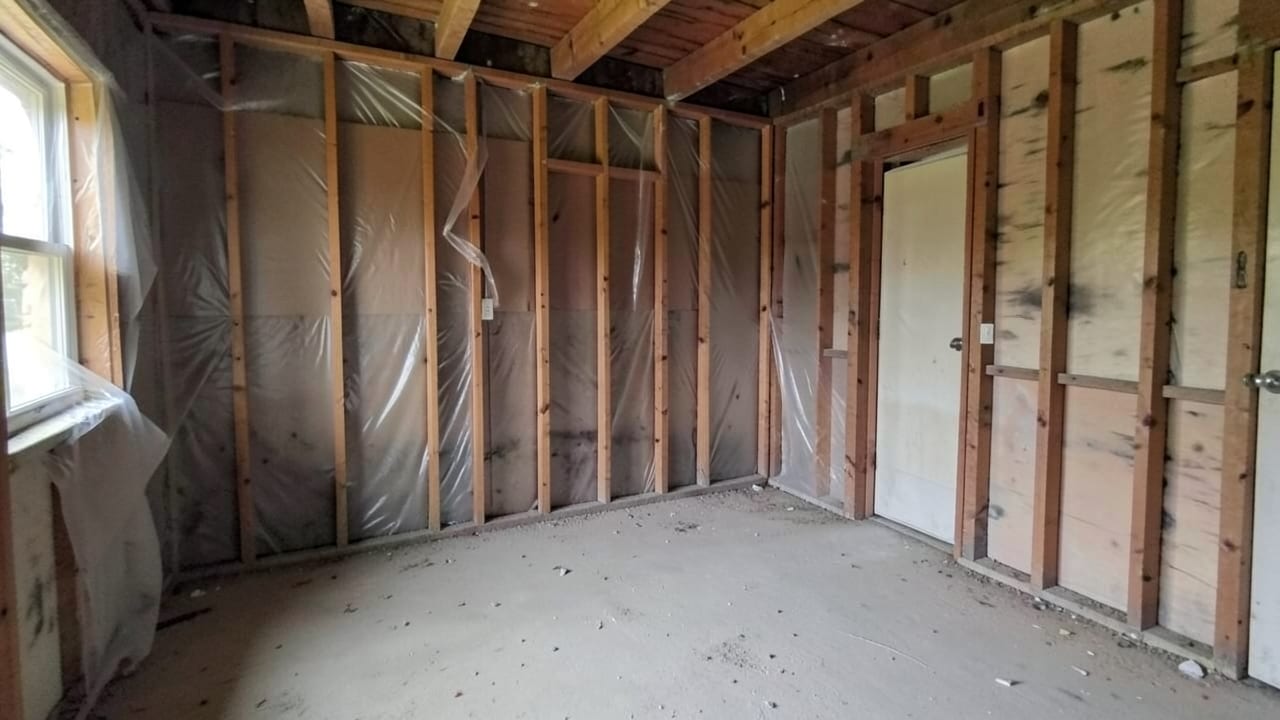
Mold Removal & Remediation
Mold removal and remediation in Chatham, MA — containment, HEPA filtration, and removal of affected material following industry (IICRC S520) protocol.
In Chatham, MA, professional mold removal and remediation physically eliminates mold growth and replaces compromised materials. Following IICRC S520 standards, we seal and contain affected areas to prevent spore spread, ensuring a thorough, safe resolution for your home.
Why Professional Mold Remediation is Essential in Chatham
Chatham’s coastal climate and older homes create ideal conditions for mold growth. Unlike DIY solutions that only address surface spots, professional remediation targets the roots of the problem, removing porous materials like drywall and insulation that cannot be fully cleaned.
We also handle Crawl Space & Basement Mold Remediation and Attic Mold Remediation for Chatham properties.
Our process adheres to the IICRC S520 standard, which mandates containment, HEPA filtration, and PPE to protect your home and our team. This ensures spores aren’t spread during removal, a common risk with amateur attempts.
Signs You Need Mold Remediation
- Visible mold growth on walls, ceilings, or in basements
- Musty odors that persist, especially in damp areas
- Water stains or discoloration on drywall or flooring
- Allergic reactions (sneezing, itching) that worsen indoors
- Recent water damage from leaks, storms, or flooding
What Affects Cost and Timeline
Pricing for mold remediation in Chatham depends on the extent of growth and the volume of materials requiring removal and replacement. Larger, deeply infiltrated areas or those with hard-to-reach spaces (e.g., crawl spaces) will increase costs.
| Factor | Impact on Cost/Timeline |
|---|---|
| Size of affected area | Larger areas = higher cost and longer remediation |
| Material type (porous vs. non-porous) | Porous materials (drywall, insulation) often require removal, increasing cost |
| Containment complexity | Hard-to-seal areas or multiple rooms may extend setup time |
| Accessibility | Crawl spaces, attics, or tight spaces can add labor hours |
| Clearance testing | Post-remediation testing may add a fixed fee for verification |
How Mold Removal & Remediation Works
Our process follows IICRC S520 standards to ensure safe, effective results.
- 1Inspection and Assessment
A technician evaluates the extent of mold growth, identifies moisture sources, and determines the scope of remediation, including testing for hidden mold in walls or under flooring.
- 2Containment and Air Filtration
The affected area is sealed with physical barriers and placed under negative air pressure using HEPA filtration. This prevents spores from spreading to unaffected parts of the home during removal.
- 3Removal of Contaminated Materials
Porous materials like drywall, insulation, and carpet padding with significant growth are removed and disposed of. Non-porous surfaces (e.g., tile, concrete) are treated with antimicrobial solutions and HEPA-vacuumed.
- 4Cleaning and Sanitization
All remaining surfaces are cleaned with specialized antimicrobial agents, and the area is HEPA-vacuumed to remove residual spores. Air scrubbers continue running to filter airborne particles.
- 5Clearance Testing and Restoration
Post-remediation testing confirms the mold has been successfully removed. Once cleared, we restore the area with new materials and address the moisture source to prevent recurrence.
Frequently Asked Questions
How do I know if I have a mold problem or just mildew?
Mildew is surface-level and can often be wiped away with a bleach solution, while mold penetrates materials and requires professional remediation. If you see discoloration, smell a musty odor, or notice health symptoms, it’s likely mold and should be inspected by a professional.
Can I just paint over mold to solve the problem?
No. Painting over mold only hides it temporarily. Mold roots into porous materials, and painting will not address the underlying growth. Remediation requires physical removal of the affected materials and proper containment to prevent spore spread.
How long does mold remediation take in Chatham?
The timeline varies based on the size and complexity of the job. Small, contained areas may take 1-2 days, while larger or more inaccessible spaces (e.g., basements, attics) can take up to a week. Containment setup, removal, and clearance testing all factor into the duration.
Does homeowners insurance cover mold remediation?
Coverage depends on your policy and the cause of the mold. Many policies cover remediation if the mold is a result of a sudden, accidental event (e.g., a burst pipe), but not if it’s due to long-term neglect or humidity. Check with your insurer for details.
See South Dennis, MA for more, or see our complete Chatham service list before booking for our complete lineup.
Ready to get started?
Talk to a local mold remediation pro in Chatham — get a written quote.
Other Mold Remediation Services in Chatham
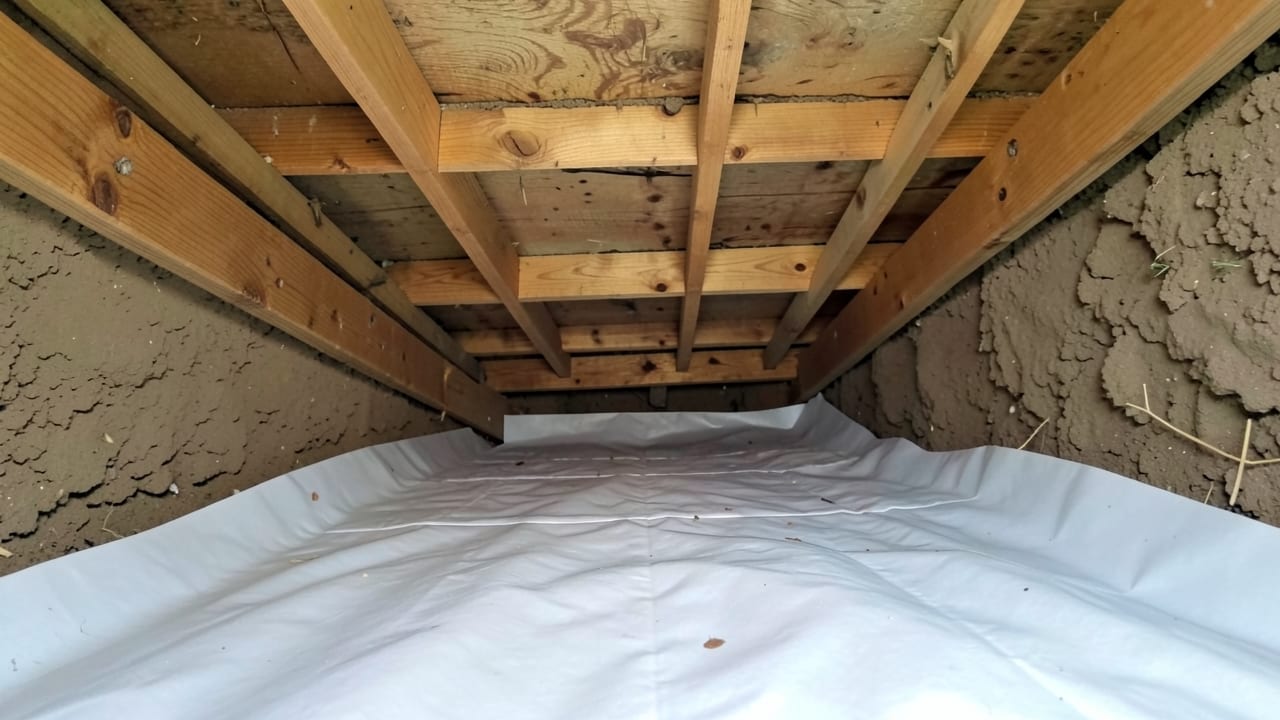
Crawl Space & Basement Mold Remediation in Chatham, MA
Crawl space and basement mold remediation in Chatham, MA addresses the two areas of a property most prone to trapped, unnoticed moisture.
Learn More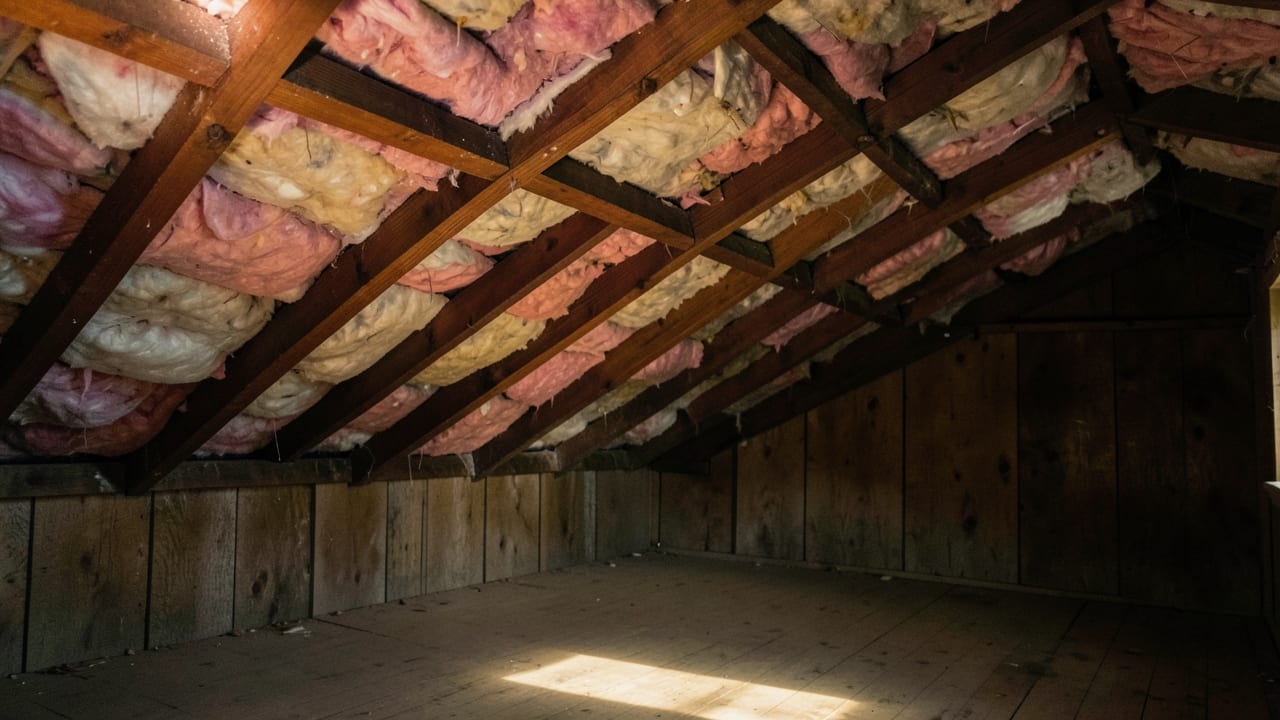
Attic Mold Remediation in Chatham, MA
Attic mold remediation in Chatham, MA addresses roof-deck growth typically caused by poor ventilation or a hidden roof leak.
Learn More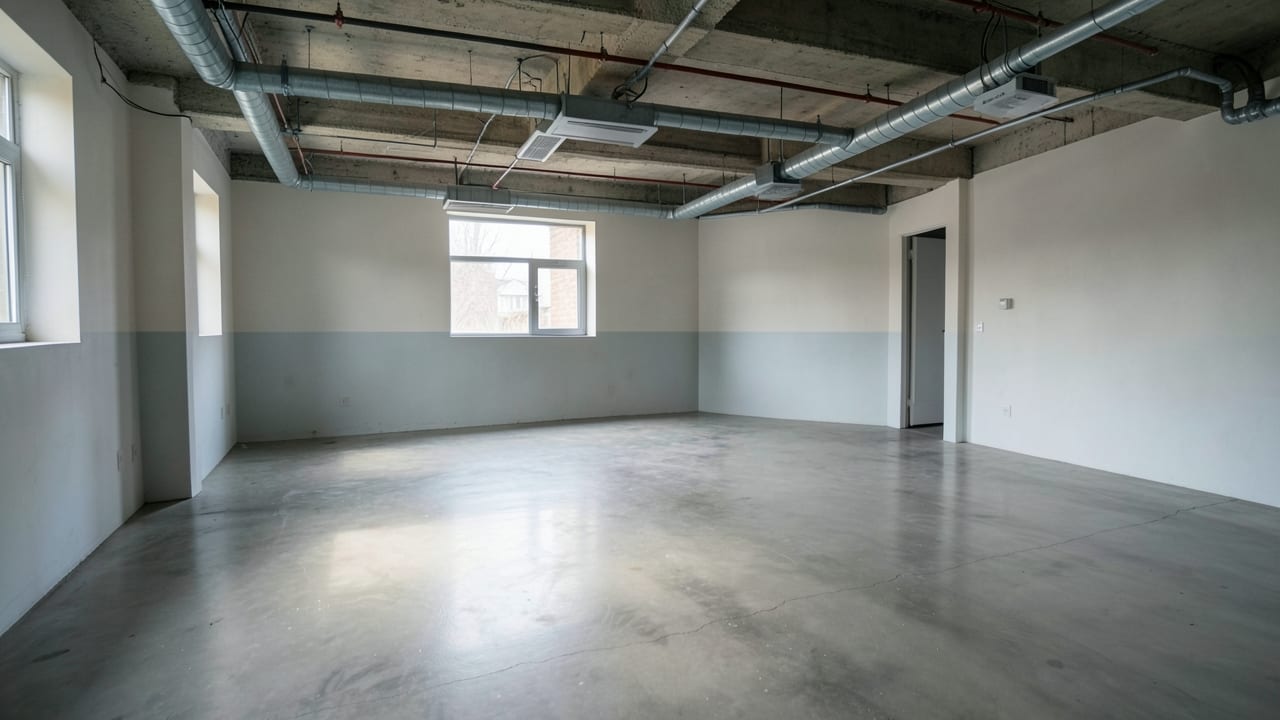
Commercial Mold Remediation in Chatham, MA
Commercial mold inspection and remediation in Chatham, MA for offices, retail space, and multi-unit properties, scheduled around business operations.
Learn More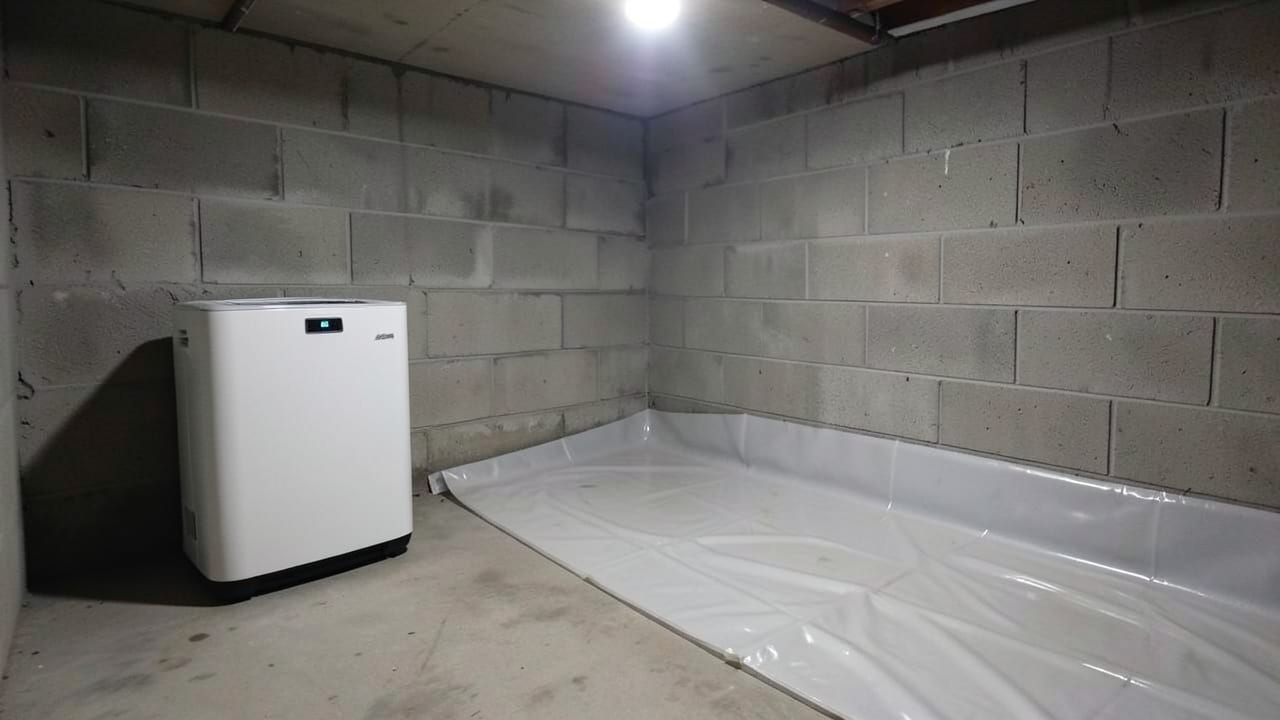
Mold Prevention & Moisture Control in Chatham, MA
Mold prevention and moisture control in Chatham, MA — addressing ventilation, humidity, and drainage before growth starts, not after.
Learn More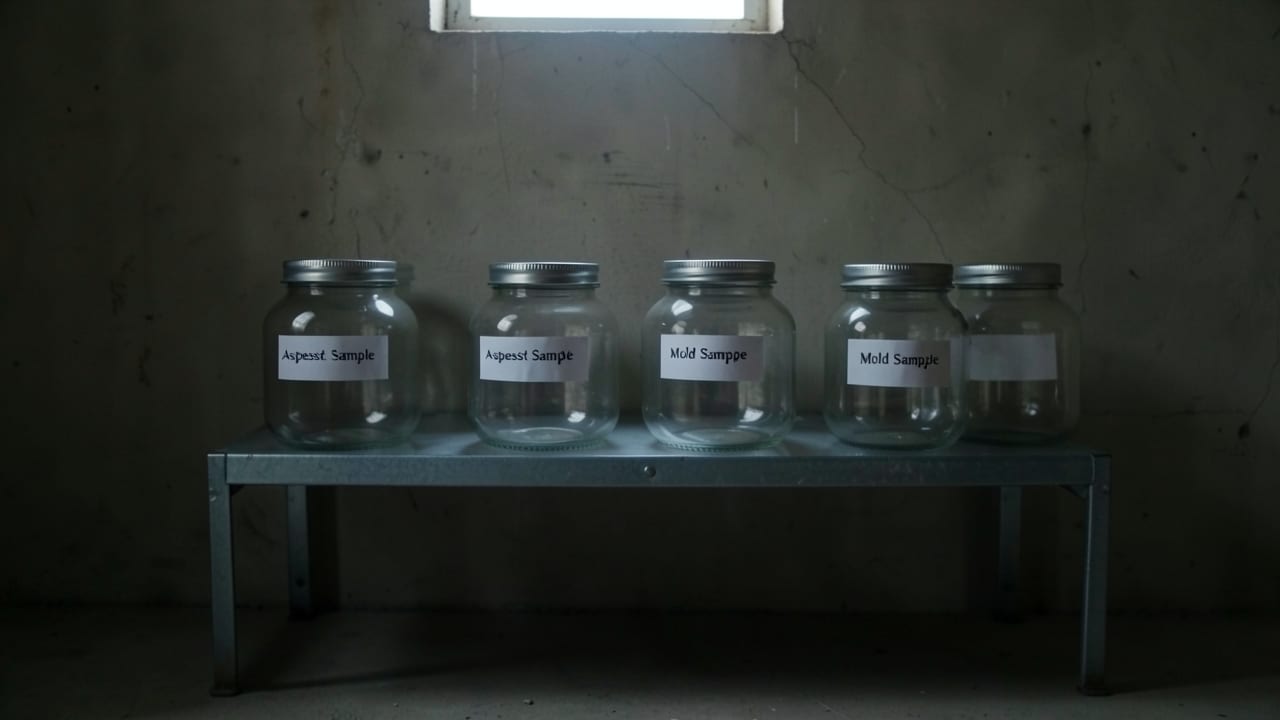
Mold & Asbestos Testing in Chatham, MA
Combined mold and asbestos testing in Chatham, MA — one inspection visit, lab-verified results for both.
Learn More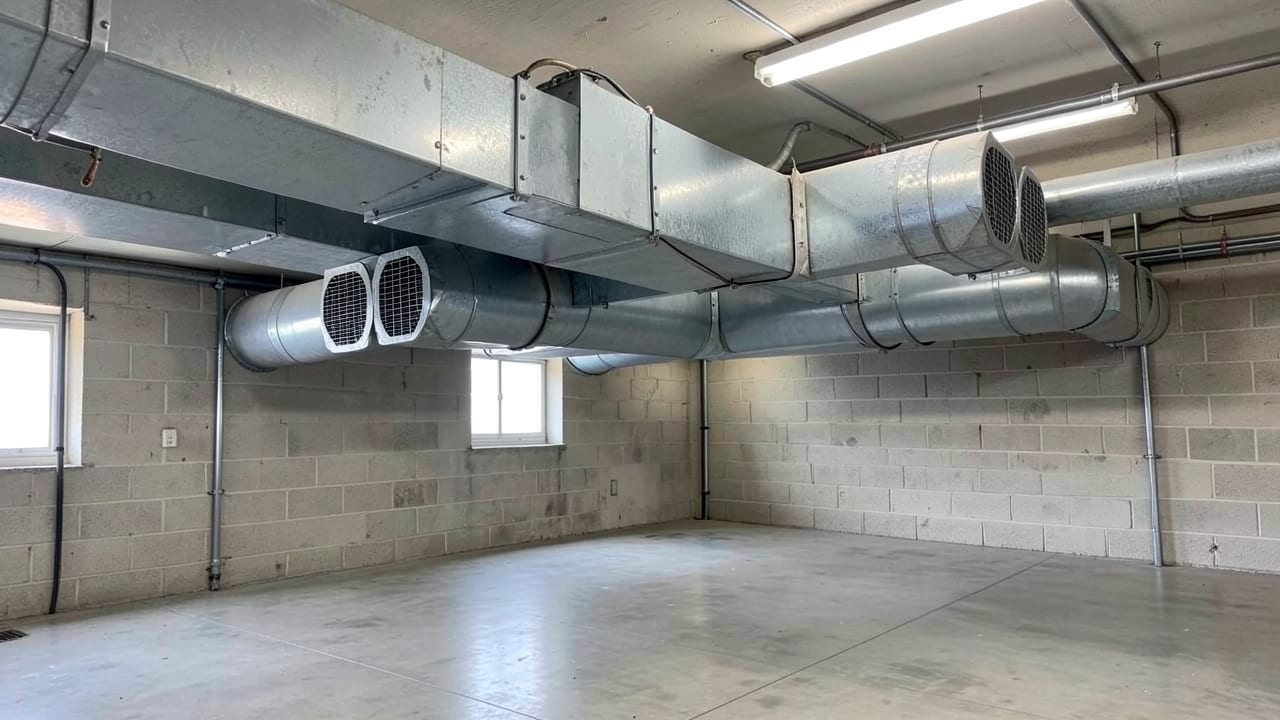
HVAC Mold Remediation in Chatham, MA
HVAC and ductwork mold remediation in Chatham, MA — mold growing inside the air handler or duct system, spreading through every vent.
Learn MoreCommon Questions About Mold Remediation in Chatham
Everything you need to know about mold remediation services in Chatham
How much does Mold Removal & Remediation typically cost in Chatham, MA?
Why does Chatham, MA's humidity make mold a bigger risk than in drier regions?
Is it safe to stay in the home during mold remediation?
Can small mold problems be handled without hiring anyone?
What's the actual difference between mold removal and mold remediation?
Is a final clearance test part of a typical mold remediation job?
Need Mold Remediation in Chatham?
Connect with local providers in Chatham for a detailed quote.
⏰ We answer your call • Serving all of Chatham and surrounding areas