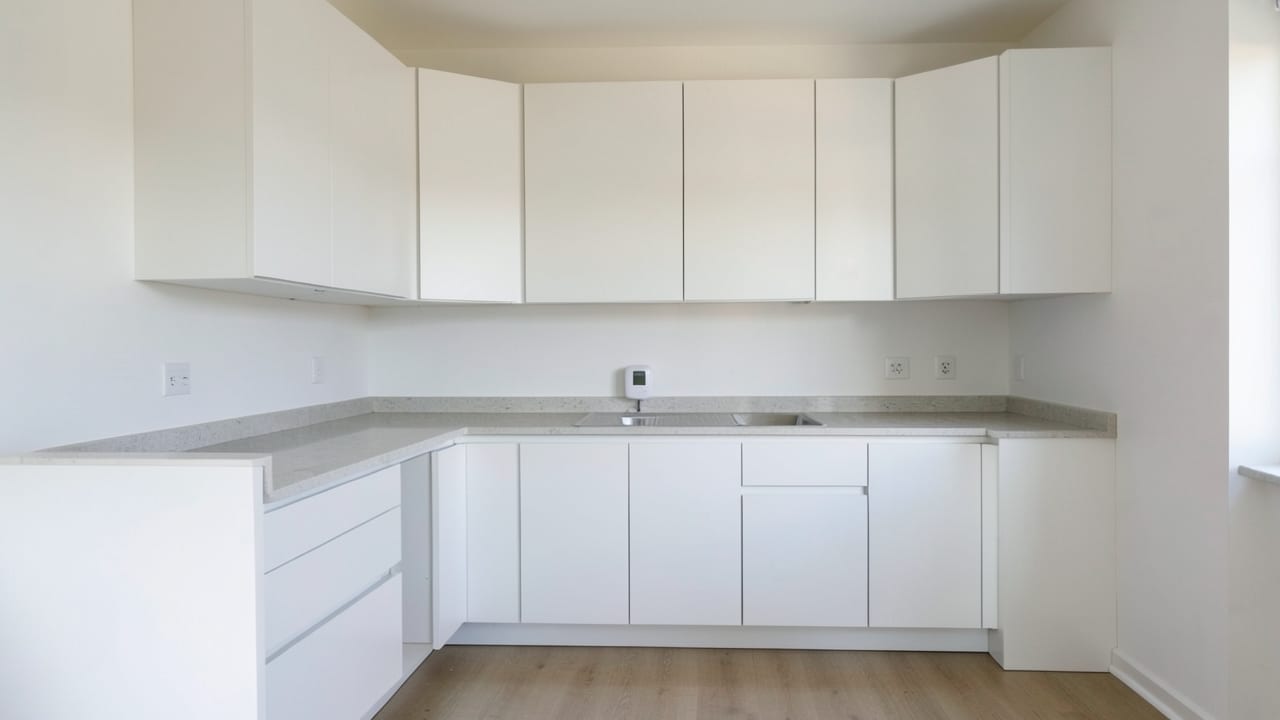
Move-In Mold Assessment
Professional inspection and assessment of mold presence before moving into a property.
Moving into a new home in Chatham, MA, means peace of mind should start with a move-in mold assessment. This service evaluates visible and hidden mold growth before you occupy the property, helping you understand potential contamination risks in walls, ceilings, basements, and HVAC systems.
By identifying moisture sources and spore levels, it provides the foundation for safe, informed decisions about your new residence.
We also handle Pipe Leak Mold Removal and Rental Property Mold Cleanup for Chatham properties.
Why a move-in assessment matters
Mold can thrive in hidden spaces, often going unnoticed until it becomes a larger issue. A move-in assessment in Chatham helps you spot problems like musty odors, discoloration, or moisture damage before they worsen. This step is critical for protecting your health and preventing costly repairs later.
Many homeowners discover mold only after symptoms like allergies or persistent odors develop. An assessment catches issues early, when they’re easier and less expensive to address. It also ensures you have a clear report to share with future contractors if remediation becomes necessary.
Signs You May Need an Assessment
- A persistent musty or earthy smell in closets, bathrooms, or crawl spaces that doesn’t fade with ventilation.
- Visible mold growth—black, green, or brown spots—on walls, ceilings, grout, or window frames.
- A history of water damage, leaks, or flooding that wasn’t fully inspected or dried.
- Recurring health symptoms (sneezing, headaches, or itchy eyes) that improve when you leave a specific room.
What the assessment covers
A thorough move-in mold assessment includes a visual inspection, moisture detection, and lab testing. The inspector examines every room, using tools like moisture meters and thermal imaging to identify damp areas that aren’t visible to the naked eye. This step ensures no potential mold source is overlooked.
Surface and air samples are collected from affected areas and a control room for comparison. These samples are sent to an independent lab for analysis, which typically takes 2–5 business days. The lab identifies mold species and spore concentrations, providing a clear picture of what’s present.
Preventing future issues
Once mold is identified, addressing the moisture source is just as important as removing the growth. Common causes include roof leaks, plumbing issues, poor grading, or high indoor humidity. Fixing these problems helps prevent mold from returning.
Simple habits, like running bathroom exhaust fans for 20–30 minutes after showers or keeping indoor humidity below 50%, can reduce mold risks. Regular checks of crawl spaces, basements, and plumbing can catch small issues before they become larger problems.
| Issue | Solution | Why It Helps |
|---|---|---|
| Musty odors in closets | Improve ventilation or use a dehumidifier | Reduces moisture buildup where mold thrives |
| Slow plumbing leaks | Repair within days, not weeks | Prevents prolonged dampness that fuels mold growth |
| High humidity in basements | Keep levels under 50% with a hygrometer | Mold needs moisture to establish itself |
How a move-in mold assessment works
This process ensures a thorough evaluation of your new home’s mold risks before you move in.
- 1Visual and Moisture Inspection
The inspector walks through the property, checking for visible mold, staining, and musty odors. Tools like moisture meters and thermal imaging detect hidden dampness in walls, floors, and ceilings, mapping affected areas before sampling.
- 2Sample Collection
Air and surface samples are taken from suspect areas and a control room (an unaffected space) for comparison. This ensures lab results are accurate and not skewed by cross-contamination.
- 3Lab Analysis
Samples are sent to an independent, accredited lab for species identification and spore count analysis. Results typically return in 2–5 business days, providing a clear baseline for any needed remediation.
- 4Moisture Source Diagnosis
The inspector traces moisture back to its origin—whether it’s a roof leak, plumbing issue, or poor ventilation—to help prevent future mold growth.
- 5Written Scope Report
Findings are documented in a report detailing affected materials, moisture sources, and square footage. This report serves as a guide for remediation and may be required by law before work begins.
Frequently asked questions
What’s the difference between a mold inspection and a move-in assessment?
A move-in assessment focuses on identifying mold risks *before* you occupy the home, while a general inspection might be requested after symptoms appear. Both include visual checks and sampling, but the move-in version emphasizes prevention and early detection.
Do I need a move-in assessment if the home looks fine?
Visible mold is a clear sign, but hidden growth can still be present. Musty odors, past water damage, or high humidity are red flags. An assessment provides peace of mind by confirming no issues exist—or revealing them early, when they’re easier to fix.
Will the assessment tell me exactly what type of mold is present?
Yes. Lab analysis identifies mold species and spore concentrations, though color alone isn’t enough to determine the type. The report will specify what’s found and whether it poses typical health or structural risks.
Can I do anything to prepare for the assessment?
Clear pathways to all areas of the home, including basements and attics, and note any musty smells or visible issues. Avoid cleaning or treating mold yourself before the inspection, as this can alter sample accuracy.
Where Chatham sits, and what the Census lists nearby
Chatham sits in Massachusetts, and the closest places listed in the U.S. Census Gazetteer are West Chatham (1.6 miles west), East Harwich (4.3 miles northwest), Harwich Port (5.3 miles west), Harwich Center (5.5 miles west).
Within 25 miles of Chatham the same source lists 18 distinct incorporated places and census-designated places.
Those figures matter for move-in mold assessment because they are straight-line distances between Census coordinate points: road mileage between Chatham and West Chatham runs longer than the 1.6 miles shown, which is why quotes for the same job differ between towns that look close together on a map.
Source: U.S. Census Bureau Gazetteer.
See Orleans, MA for more, or see our full Chatham-area coverage by neighborhood for our complete lineup.
Ready to get started?
Talk to a local mold remediation pro in Chatham — get a written quote.
Other Mold Remediation Services in Chatham
Pipe Leak Mold Removal in Chatham, MA
Professional removal of mold caused by pipe leaks in homes.
Learn More
Rental Property Mold Cleanup in Chatham, MA
Professional mold removal and remediation for rental properties to restore safe living conditions.
Learn More
School Mold Remediation in Chatham, MA
Professional mold removal and remediation in schools to ensure a safe, healthy environment.
Learn More
Wood Furniture Mold Remediation in Chatham, MA
Professional removal and treatment of mold from wood furniture to restore safety and appearance.
Learn More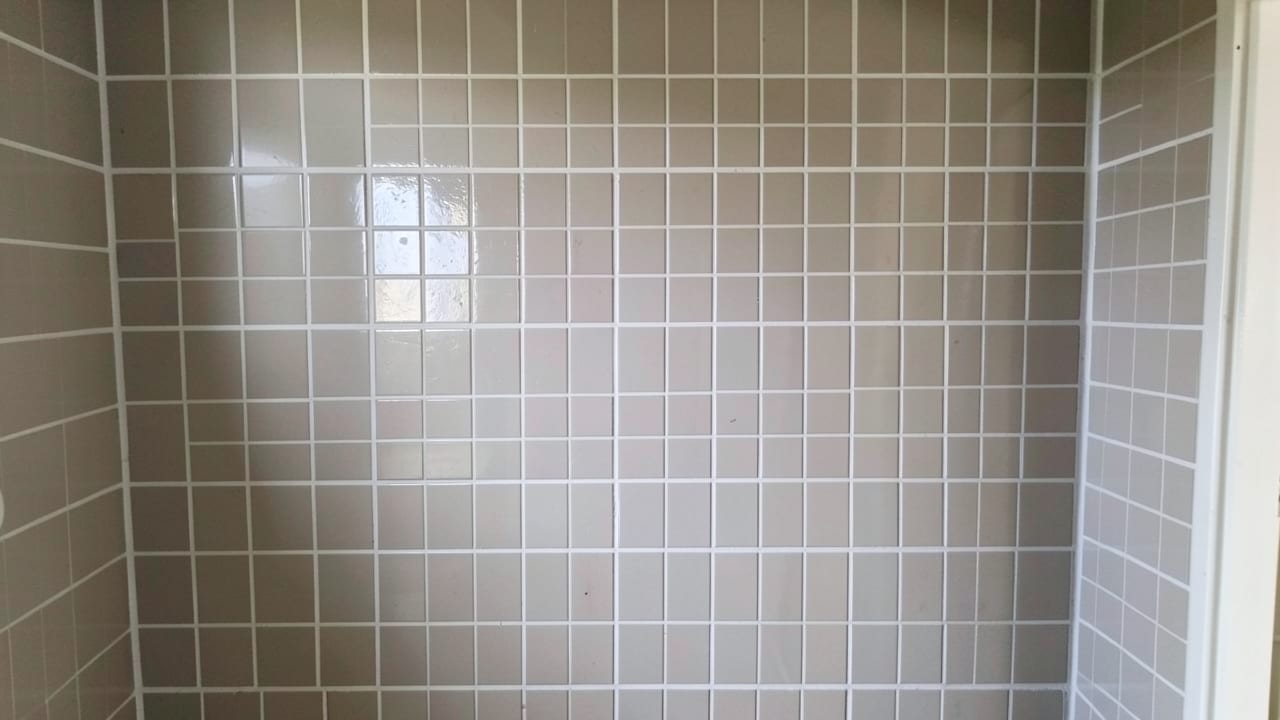
Tile & Grout Mold Cleanup in Chatham, MA
Professional removal of mold from tile and grout surfaces in bathrooms, kitchens, and other tiled areas.
Learn More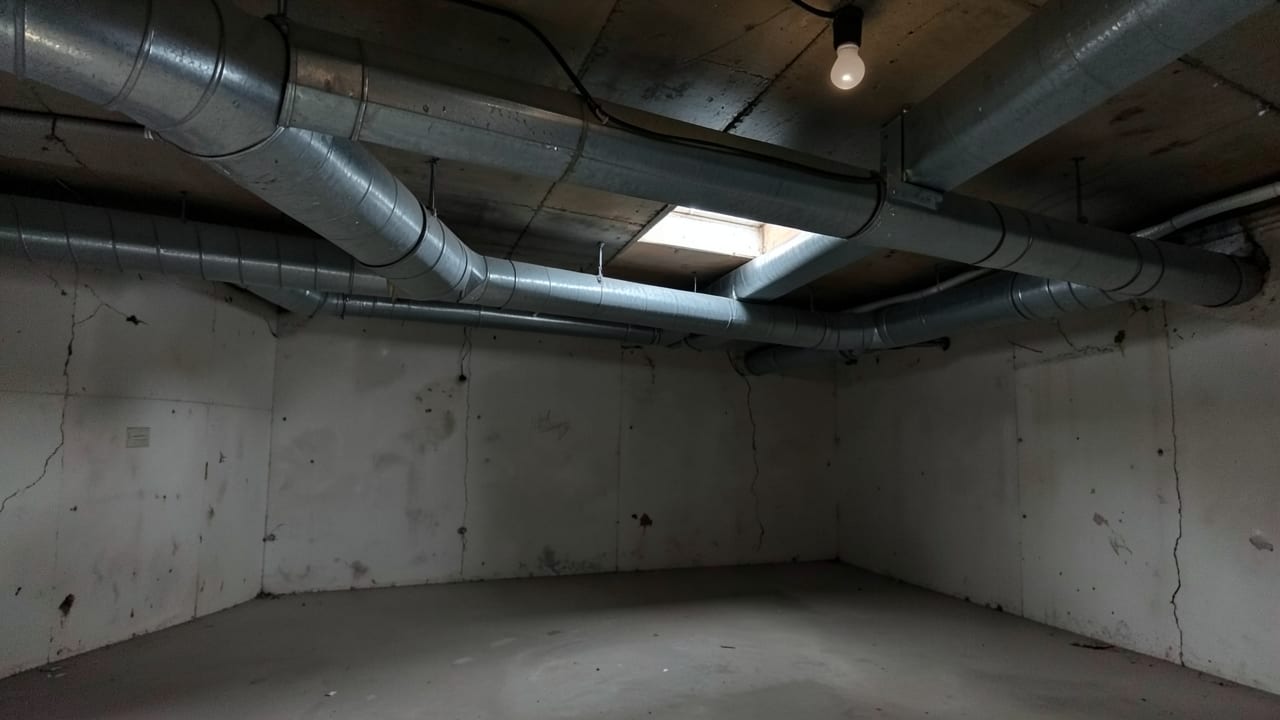
Metal Ductwork Mold Remediation in Chatham, MA
Professional removal of mold from metal ductwork to restore indoor air quality.
Learn MoreCommon Questions About Mold Remediation in Chatham
Everything you need to know about mold remediation services in Chatham
How much does Move-In Mold Assessment typically cost in Chatham, MA?
Why does Chatham, MA's humidity make mold a bigger risk than in drier regions?
Does mold mean the same thing as mildew?
Does homeowners insurance typically cover mold remediation?
Is black mold actually more dangerous than other mold types?
How long does a typical mold remediation job take?
Need Mold Remediation in Chatham?
Connect with local providers in Chatham for a detailed quote.
⏰ We answer your call • Serving all of Chatham and surrounding areas