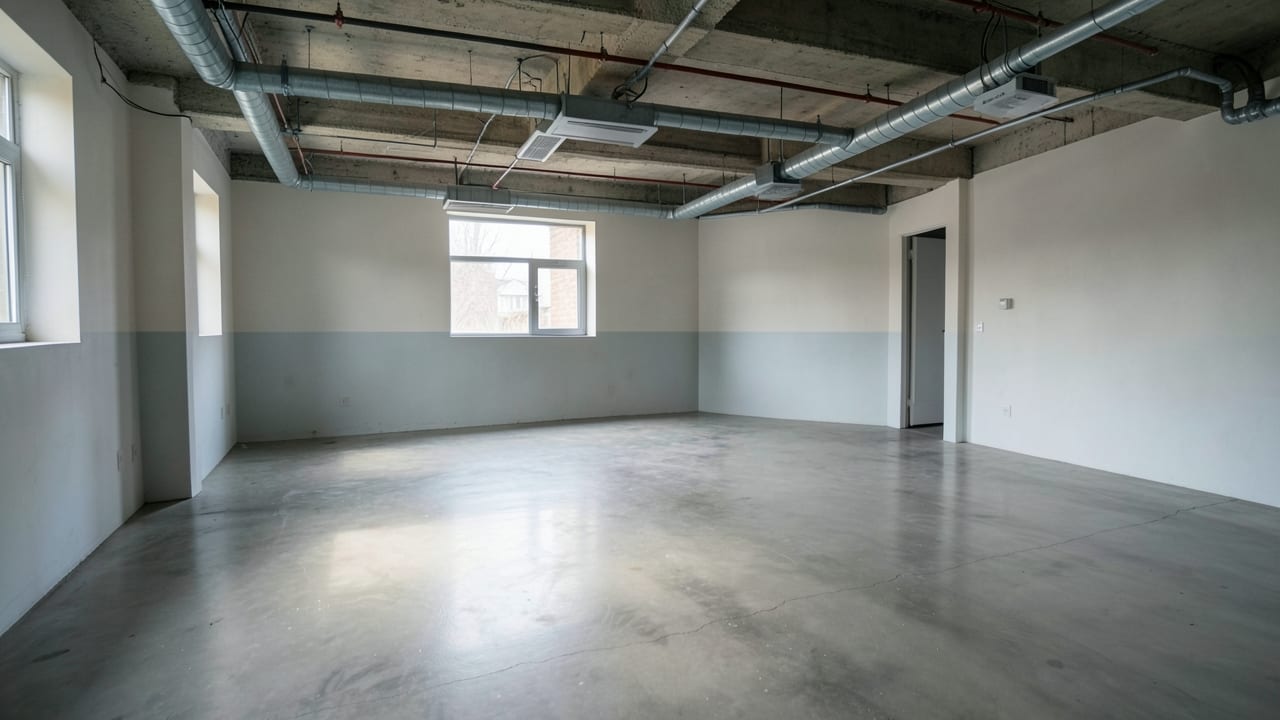
Commercial Mold Remediation
Commercial mold inspection and remediation in Chatham, MA for offices, retail space, and multi-unit properties, scheduled around business operations.
Commercial mold remediation in Chatham, MA addresses mold growth in offices, retail spaces, and multi-unit residential buildings. Scaled for larger properties, our service includes inspection, containment, and removal, tailored to minimize disruption while ensuring thorough, documented results for property owners and managers.
Why Commercial Properties in Chatham Need Specialized Mold Remediation
Commercial buildings in Chatham face amplified mold risks due to larger HVAC systems, extensive plumbing runs, and areas like mechanical rooms or drop ceilings that receive less daily oversight. These factors allow mold to spread unnoticed, affecting air quality and structural integrity.
We also handle Mold Testing & Air Quality Testing and Mold Removal & Remediation for Chatham properties.
Our commercial service scales the same proven residential process—inspection, testing, containment, and removal—to the size and complexity of your building. We also evaluate HVAC and plumbing systems, common moisture sources in commercial settings, to prevent recurrence.
Signs Your Commercial Property May Need Mold Remediation
- Visible mold growth on walls, ceilings, or in HVAC vents
- Musty odors, especially in basements, storage areas, or near plumbing
- Unexplained increases in tenant or employee respiratory complaints
- Water stains or discoloration on drywall, carpeting, or ceiling tiles
- Recent flooding, leaks, or high humidity in unmonitored areas
Minimizing Disruption During Remediation
We understand that downtime is costly. Our team schedules work around your business hours or in phases, ensuring your property remains operational. Containment barriers isolate the work area from tenant or customer spaces, and we use a phased approach for larger buildings to avoid full closures.
This approach not only keeps your business running but also ensures that mold removal is thorough and systematic. Each phase is completed and verified before moving to the next, reducing the risk of cross-contamination.
| Factor | Impact on Pricing/Timing |
|---|---|
| Square footage of affected area | Larger areas require more labor, materials, and time, increasing costs |
| Scope of contamination (surface vs. structural) | Structural mold (e.g., behind drywall) may require demolition and reconstruction, adding to expenses |
| Scheduling requirements (after-hours, phased work) | Off-peak or phased work may incur additional labor costs but reduces business disruption |
| HVAC/plumbing system evaluation | Included in commercial service; complex systems may require additional testing or repairs |
How Commercial Mold Remediation Works
Our process is designed to be thorough, efficient, and minimally disruptive.
- 1Inspection and Testing
A technician conducts a visual inspection and may use moisture meters, thermal imaging, or air sampling to assess the extent of mold growth and identify moisture sources.
- 2Containment Setup
We install physical barriers and negative air pressure systems to isolate the affected area, preventing mold spores from spreading to other parts of the building.
- 3Removal and Cleaning
Mold is physically removed from surfaces using HEPA vacuums, antimicrobial treatments, and, if necessary, controlled demolition of contaminated materials.
- 4HVAC and Plumbing Review
Our team evaluates your building’s HVAC and plumbing systems to address potential moisture sources and recommend fixes to prevent future mold growth.
- 5Clearance and Documentation
After remediation, we provide a written scope-of-work and clearance report, which you can use for tenant communication and liability protection.
Frequently Asked Questions
How long does commercial mold remediation typically take?
Timing varies based on the size of the affected area and the scope of work. Small, contained areas may take 1-2 days, while larger or more complex projects could require a week or more, especially if phased work is needed to keep the property operational.
Will my business need to close during remediation?
Not necessarily. We use containment barriers and phased work to isolate the affected areas, allowing your business to remain open. We’ll work with you to schedule the project during off-hours if needed.
Do you handle mold in HVAC systems?
Yes. Mold in HVAC systems is common in commercial buildings and can spread spores throughout the property. We clean and treat affected ductwork as part of our remediation process and may recommend HVAC system repairs or upgrades to prevent recurrence.
What documentation will I receive after the job is complete?
You’ll receive a detailed scope-of-work and clearance report, which outlines the remediation process, results, and any recommendations for preventing future mold growth. This documentation is often required for tenant communication and liability purposes.
See West Chatham, MA for more, or discover the rest of our Chatham lineup in full for our complete lineup.
Ready to get started?
Talk to a local mold remediation pro in Chatham — get a written quote.
Other Mold Remediation Services in Chatham
Mold Testing & Air Quality Testing in Chatham, MA
Mold and indoor air quality testing in Chatham, MA — lab-analyzed air and surface samples confirm what's actually growing and whether it's airborne.
Learn More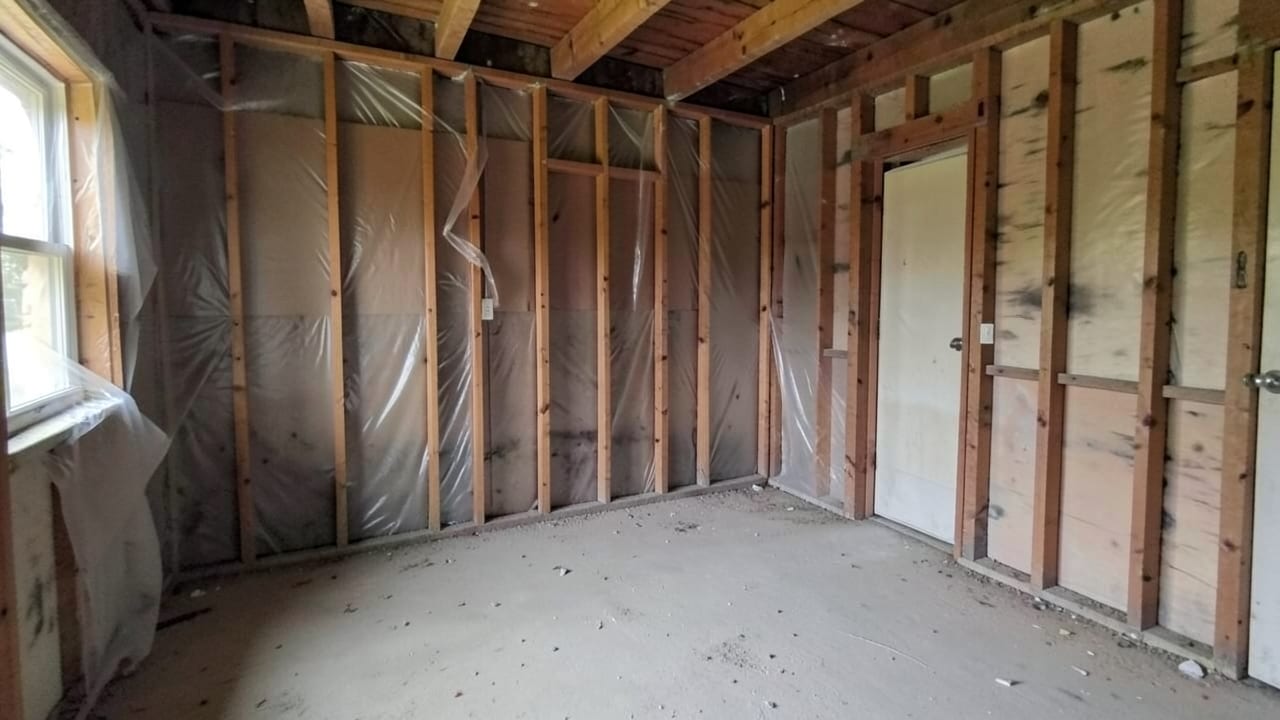
Mold Removal & Remediation in Chatham, MA
Mold removal and remediation in Chatham, MA — containment, HEPA filtration, and removal of affected material following industry (IICRC S520) protocol.
Learn More
Water Damage Restoration in Chatham, MA
Water damage restoration in Chatham, MA — extraction and structural drying to stop mold growth before it starts, following a leak, storm, or flood.
Learn More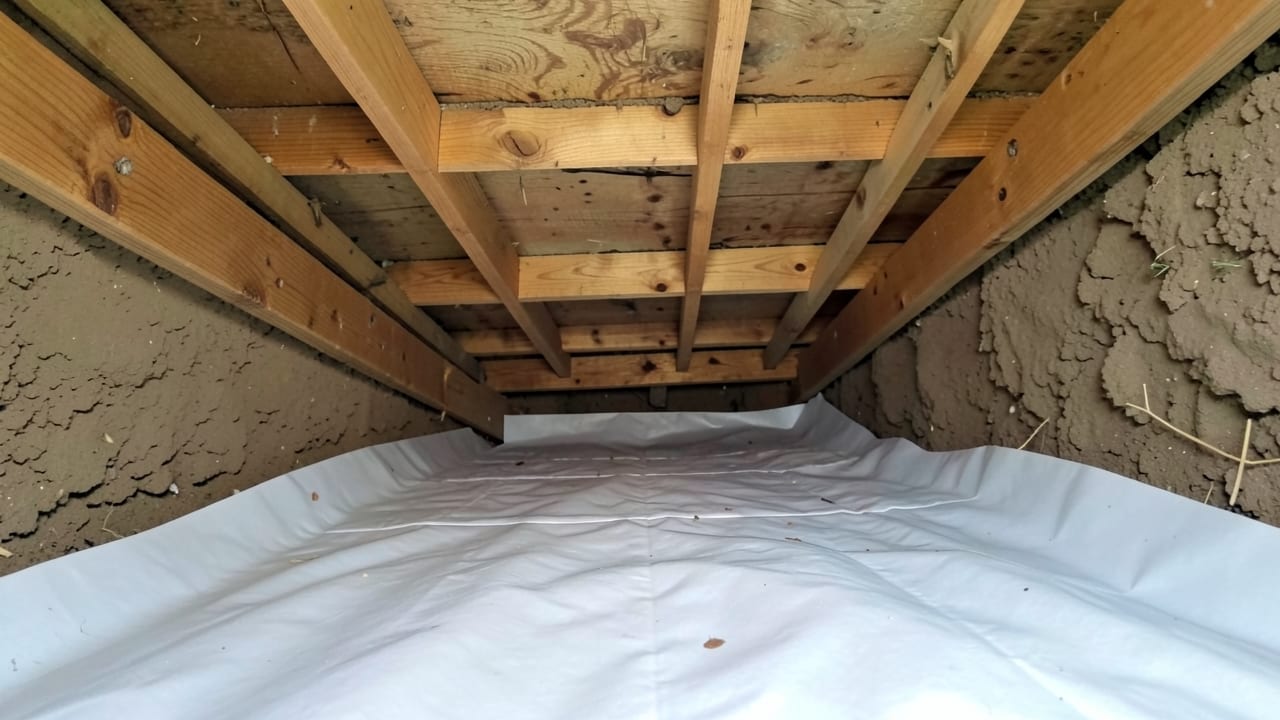
Crawl Space & Basement Mold Remediation in Chatham, MA
Crawl space and basement mold remediation in Chatham, MA addresses the two areas of a property most prone to trapped, unnoticed moisture.
Learn More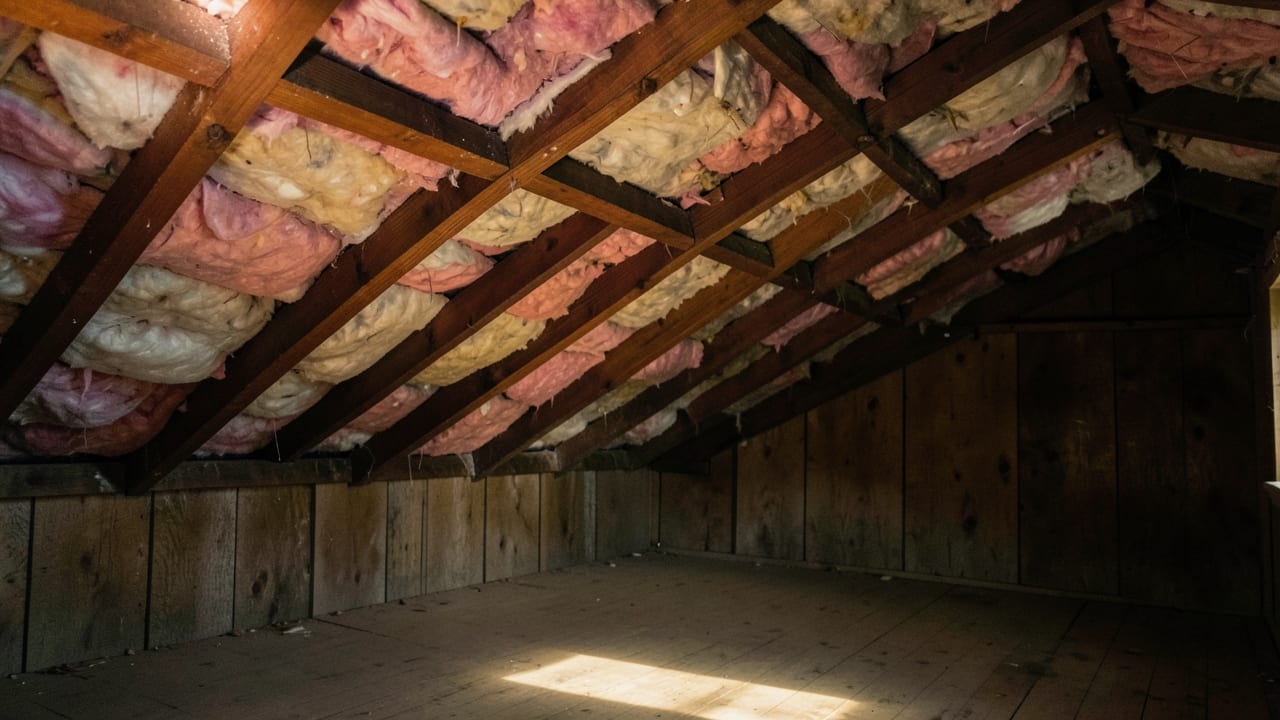
Attic Mold Remediation in Chatham, MA
Attic mold remediation in Chatham, MA addresses roof-deck growth typically caused by poor ventilation or a hidden roof leak.
Learn More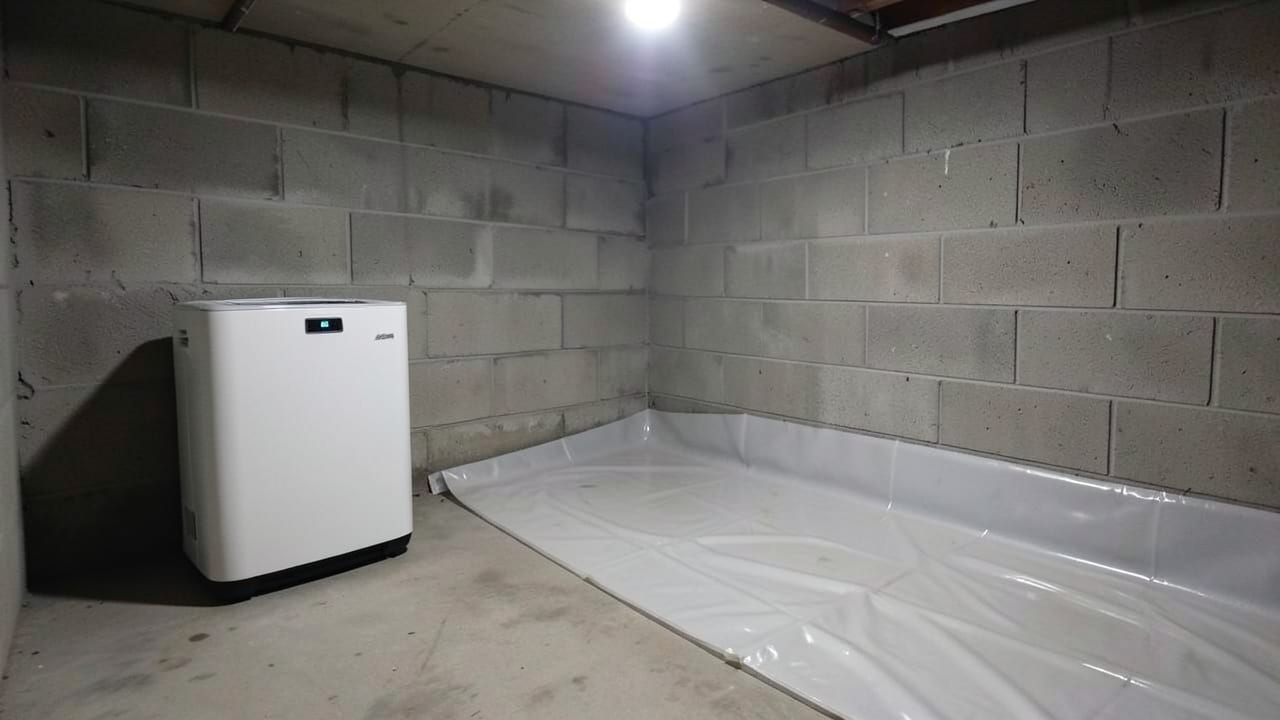
Mold Prevention & Moisture Control in Chatham, MA
Mold prevention and moisture control in Chatham, MA — addressing ventilation, humidity, and drainage before growth starts, not after.
Learn MoreCommon Questions About Mold Remediation in Chatham
Everything you need to know about mold remediation services in Chatham
How much does Commercial Mold Remediation typically cost in Chatham, MA?
Why does Chatham, MA's humidity make mold a bigger risk than in drier regions?
Is it safe to stay in the home during mold remediation?
Can small mold problems be handled without hiring anyone?
What's the actual difference between mold removal and mold remediation?
Is a final clearance test part of a typical mold remediation job?
Need Mold Remediation in Chatham?
Connect with local providers in Chatham for a detailed quote.
⏰ We answer your call • Serving all of Chatham and surrounding areas