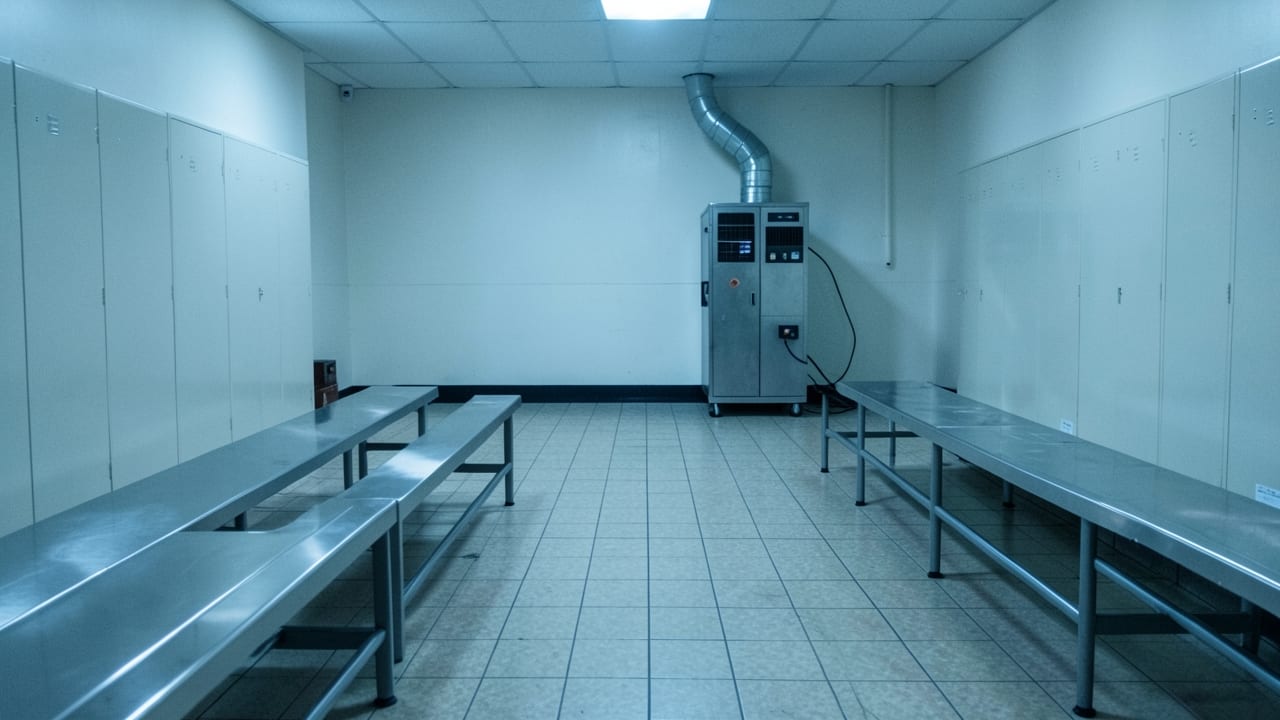
Gym Mold Remediation
Professional removal and treatment of mold in gyms to restore safe, clean environments.
Mold in gyms and fitness spaces in Chatham, MA, requires specialized remediation to address hidden growth, prevent health risks, and avoid structural damage. Unlike surface cleaning, professional gym mold remediation targets moisture-prone areas—walls, ceilings, and equipment—using containment, HEPA filtration, and moisture control to ensure thorough removal and reduce recurrence risks.
When gym mold needs professional attention
Gym mold often starts small but spreads quickly in damp, poorly ventilated spaces. If mold covers more than a few square feet, keeps returning after cleaning, or emits a musty smell with no visible source, professional remediation is typically recommended.
We also handle Metal Ductwork Mold Remediation and Glass Window Mold Removal for Chatham properties.
Hidden growth—inside walls, under flooring, or in HVAC ducts—can worsen without proper inspection and containment.
DIY methods may temporarily reduce visible mold but often miss spores embedded in porous materials. Without addressing the moisture source—such as leaks, condensation, or poor airflow—regrowth is likely. Professional remediation includes containment, HEPA filtration, and structural drying to minimize recurrence.
Signs Professional Mold Remediation Is Needed
- Mold covers more than 25 contiguous square feet (a common threshold for professional work).
- Visible mold keeps returning after cleaning, indicating an unresolved moisture source.
- A musty smell persists with no visible mold, suggesting hidden growth in walls, ducts, or flooring.
- Health symptoms (coughing, sneezing, or irritation) appear when spending time in the affected space.
What affects remediation cost and scope
Pricing for gym mold remediation depends on the size of the affected area, the extent of hidden growth, and the materials involved. Porous materials like drywall or carpet padding are often removed and replaced, while non-porous surfaces may be cleaned and treated.
Containment, HEPA filtration, and clearance testing add to the cost but are essential for thorough remediation.
The presence of moisture sources—such as leaks, poor ventilation, or high humidity—can increase the scope of work. Addressing these issues during remediation helps reduce the likelihood of future growth. Independent clearance testing confirms spore levels are back to normal before the space is considered finished.
Why containment and testing matter
Containment—using plastic sheeting and negative-air machines—prevents mold spores from spreading to unaffected areas during removal. Without containment, spores can circulate through the home’s HVAC system, turning a small job into a larger one. HEPA air scrubbers and vacuums capture spores that standard equipment would miss, reducing health risks.
Clearance testing by an independent lab confirms spore levels are safe before the work area is reopened. Skipping this step leaves uncertainty about whether the remediation fully resolved the issue. Proper drying of structural materials also prevents regrowth, as mold thrives in damp conditions.
Tears in plastic sheeting, open doors, or improper negative-air pressure can let spores escape containment. This turns a contained job into a larger, more costly cleanup. Always verify that containment is fully sealed before work begins.
How gym mold remediation works
Professional remediation follows a structured process to safely remove mold and prevent recurrence.
- 1Containment Setup
Plastic sheeting and negative-air machines seal the work area to prevent spores from spreading. This step is critical for keeping unaffected spaces clean.
- 2Material Removal or Cleaning
Porous materials (drywall, carpet padding) with deep mold growth are cut out and bagged. Non-porous surfaces (framing, tile) are scrubbed and treated to remove spores.
- 3HEPA Filtration and Drying
HEPA air scrubbers and vacuums capture airborne spores, while industrial dehumidifiers dry structural materials to prevent future growth.
- 4Clearance Testing
An independent lab tests air or surfaces to confirm spore levels are back to normal before the space is reopened.
Frequently asked questions
How do I know if the mold in my gym or fitness space is dangerous?
Mold becomes a concern when it covers more than a small area, keeps returning after cleaning, or causes health symptoms like coughing or irritation. Musty smells with no visible mold often indicate hidden growth that requires professional inspection.
Can mold regrow after remediation if the moisture source isn’t fixed?
Yes. Removing mold without addressing leaks, condensation, or poor airflow leaves materials exposed to moisture. Regrowth is common in these cases, which is why fixing the moisture source is a key part of the process.
Why is containment important during mold removal?
Containment prevents spores from spreading to other parts of the home during removal. Without it, spores can circulate through the HVAC system, making the problem worse and requiring additional cleanup.
Do I need clearance testing after mold remediation?
Yes. Clearance testing by an independent lab confirms that spore levels are safe before the work area is reopened. Without testing, there’s no way to verify whether the remediation fully resolved the issue.
Where Chatham sits, and what the Census lists nearby
Chatham sits in Massachusetts, and the closest places listed in the U.S. Census Gazetteer are West Chatham (1.6 miles west), East Harwich (4.3 miles northwest), Harwich Port (5.3 miles west), Harwich Center (5.5 miles west).
Within 25 miles of Chatham the same source lists 18 distinct incorporated places and census-designated places.
Those figures matter for gym mold remediation because they are straight-line distances between Census coordinate points: road mileage between Chatham and West Chatham runs longer than the 1.6 miles shown, which is why quotes for the same job differ between towns that look close together on a map.
Source: U.S. Census Bureau Gazetteer.
See East Harwich, MA for more, or explore the rest of our Chatham lineup before booking for our complete lineup.
Ready to get started?
Talk to a local mold remediation pro in Chatham — get a written quote.
Other Mold Remediation Services in Chatham
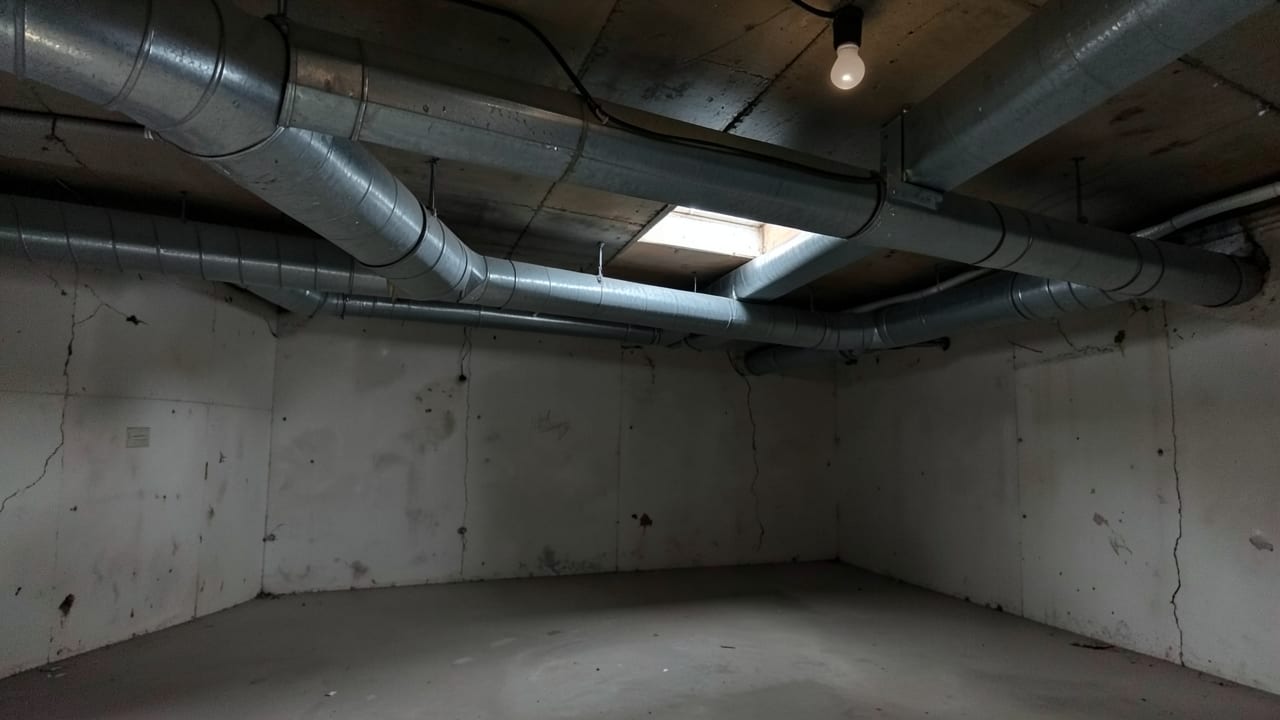
Metal Ductwork Mold Remediation in Chatham, MA
Professional removal of mold from metal ductwork to restore indoor air quality.
Learn More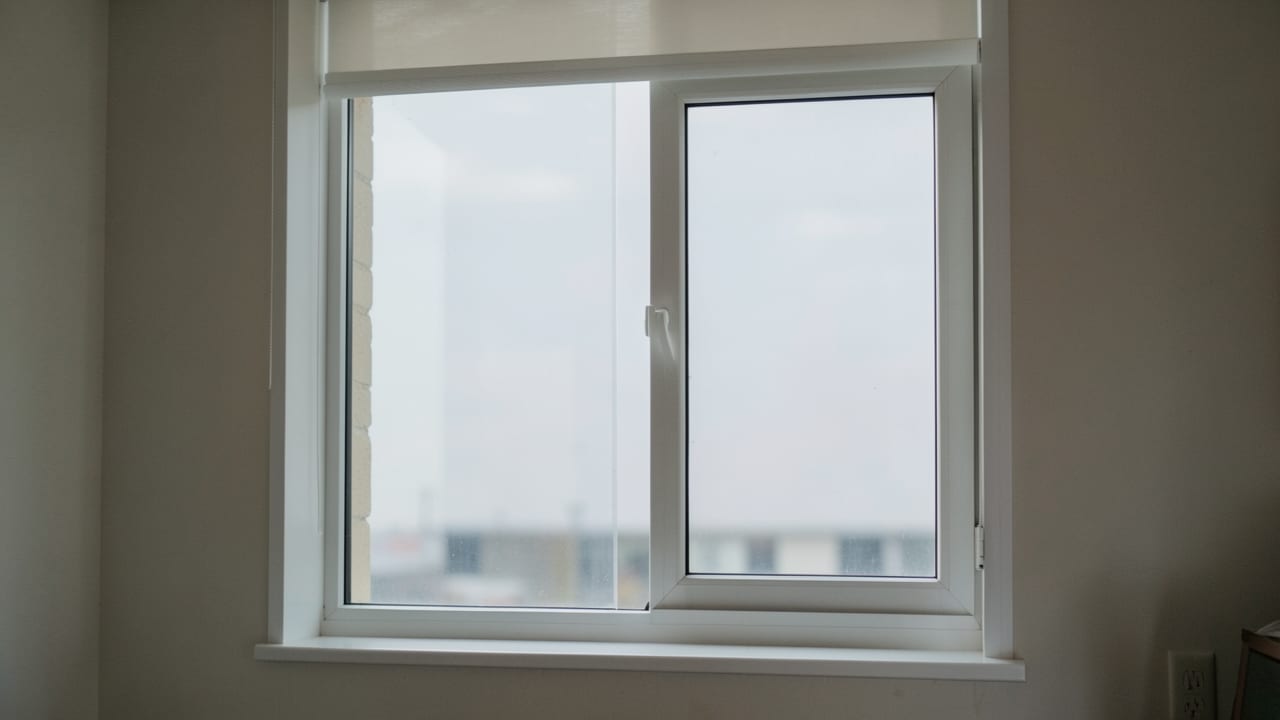
Glass Window Mold Removal in Chatham, MA
Professional removal of mold from glass windows and frames to restore clarity and prevent spread.
Learn More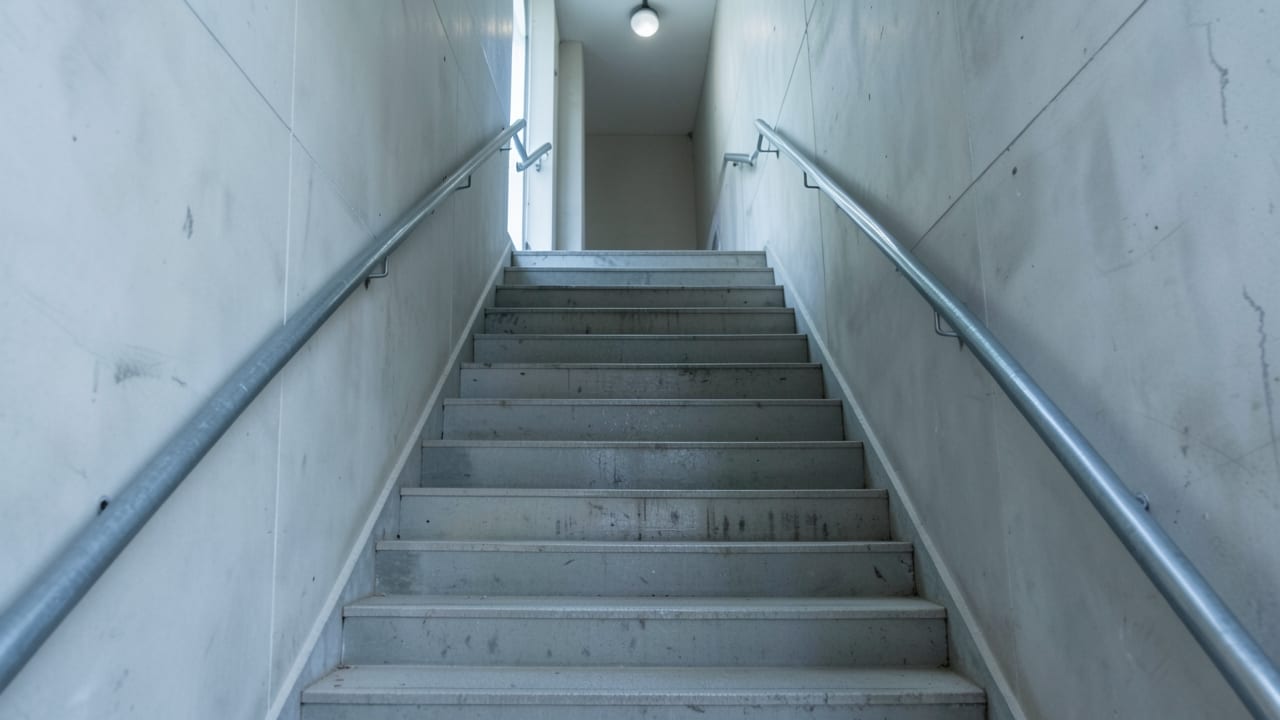
Stairwell Mold Remediation in Chatham, MA
Professional mold removal and prevention in stairwells to restore safe, clean spaces.
Learn More
Balcony Mold Cleanup in Chatham, MA
Professional removal and treatment of mold growth on balconies and adjacent structures.
Learn More
Sunroom Mold Remediation in Chatham, MA
Professional removal and treatment of mold in sunrooms to restore a safe, clean space.
Learn More
Pantry Mold Treatment in Chatham, MA
Professional assessment and removal of mold in pantry areas to restore a safe, clean space.
Learn MoreCommon Questions About Mold Remediation in Chatham
Everything you need to know about mold remediation services in Chatham
How much does Gym Mold Remediation typically cost in Chatham, MA?
Why does Chatham, MA's humidity make mold a bigger risk than in drier regions?
How long does a typical mold remediation job take?
Is it safe to stay in the home during mold remediation?
Can small mold problems be handled without hiring anyone?
What's the actual difference between mold removal and mold remediation?
Need Mold Remediation in Chatham?
Connect with local providers in Chatham for a detailed quote.
⏰ We answer your call • Serving all of Chatham and surrounding areas