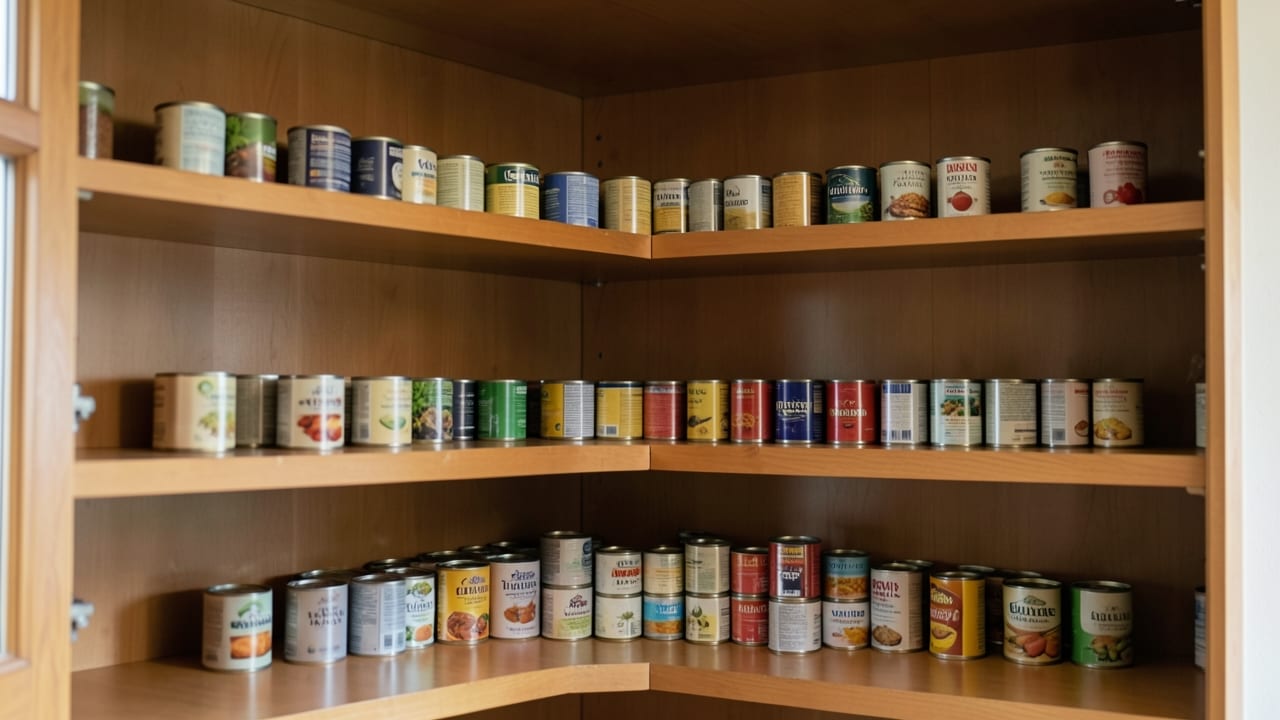
Pantry Mold Treatment
Professional assessment and removal of mold in pantry areas to restore a safe, clean space.
Pantry mold treatment in Chatham, MA, addresses hidden or visible mold growth in food storage areas by removing contamination, fixing moisture sources, and preventing recurrence. Unlike surface cleaning, professional remediation includes containment, HEPA filtration, and clearance testing to ensure spores don’t spread or return.
This service is essential when mold covers more than a small patch, keeps reappearing, or emits a musty odor with no visible source.
We also handle Metal Ductwork Mold Remediation and Glass Window Mold Removal for Chatham properties.
When to call for pantry mold treatment
Mold in a pantry often starts small but can quickly spread if left unchecked. The most common signs include visible black, green, or white growth on shelves, jars, or walls; a persistent musty smell even after cleaning; or mold that keeps returning after DIY attempts.
If the affected area exceeds a few square feet or the growth is embedded in porous materials like drywall, professional treatment is recommended.
Hidden mold—behind shelves, under flooring, or inside walls—can also signal a larger problem. A strong musty odor that worsens when the HVAC runs may indicate spores circulating through ductwork.
Ignoring these signs risks contamination spreading to other areas of your home, making the issue more costly and difficult to resolve later.
Signs You Need Professional Pantry Mold Treatment
- Mold covers more than a small, isolated patch (typically over 25 square feet).
- The growth keeps returning after cleaning, suggesting an unresolved moisture source.
- A musty smell persists with no visible mold, or worsens when the HVAC system turns on.
- Mold appears on multiple surfaces or materials (e.g., walls, food packaging, and shelves).
- You notice health symptoms (sneezing, coughing, or skin irritation) linked to the affected area.
What affects the cost and timeline?
The cost of pantry mold treatment in Chatham varies based on the size of the affected area, the severity of contamination, and whether hidden mold requires structural work.
Surface-level mold on shelves or walls typically falls within a standard range, but embedded growth or black mold (Stachybotrys) may increase the total. Labor rates, disposal fees for contaminated materials, and the need for structural drying or HVAC cleaning can also impact pricing.
Timelines depend on containment setup, removal of affected materials, drying, and clearance testing. A single pantry with surface mold may take 1–2 days, while extensive hidden growth or multiple rooms could require a week or more.
Independent clearance testing, often performed by a third party, adds time but ensures the work meets safety standards.
What happens after treatment?
After remediation, the focus shifts to preventing recurrence. This includes fixing the moisture source—whether a leak, poor ventilation, or condensation—and maintaining proper airflow in the pantry. A small dehumidifier or fan can help if the space tends to stay damp.
Regular humidity checks in the first year catch early signs of regrowth before they spread.
Clearance testing confirms the work is complete, but long-term success depends on addressing the root cause. Without fixing the moisture issue, mold can return within months. Post-treatment, monitor the pantry for any musty odors, visible growth, or dampness, and address issues promptly.
Keep humidity below 50% with a dehumidifier or exhaust fan. Inspect shelves, walls, and seals regularly for leaks or condensation. Store food in airtight containers and avoid overpacking shelves to improve airflow.
How pantry mold treatment works
Professional remediation follows strict containment and safety protocols to remove mold safely.
- 1Containment Setup
Plastic sheeting and negative-air machines seal the pantry to prevent spores from spreading during removal. All doors and vents are covered, and air is pulled out of the contained area to keep spores inside.
- 2Removal of Contaminated Materials
Porous materials like drywall or insulation that absorb mold are cut out and bagged. Non-porous surfaces (e.g., tile, metal) are scrubbed with antimicrobial solutions and HEPA-vacuumed to capture loose spores.
- 3HEPA Filtration and Structural Drying
HEPA air scrubbers run continuously to capture airborne spores, and industrial dehumidifiers dry framing and subfloors to prevent hidden regrowth. Moisture levels are monitored until they return to normal.
- 4Clearance Testing
An independent lab tests air and surfaces for remaining spores. Results determine whether containment can be removed and the pantry is considered safe.
Frequently asked questions
Can I handle pantry mold myself, or should I call a professional?
Small patches (under 25 square feet) can sometimes be cleaned with vinegar or bleach, but embedded mold or hidden growth requires professional tools like HEPA filtration and containment. If the mold keeps returning or spreads, professional treatment is safer and more effective.
How long does it take to remediate a moldy pantry?
Surface mold in a single pantry typically takes 1–2 days, including containment, removal, drying, and testing. Larger or hidden infestations may take longer, especially if structural work or HVAC cleaning is needed.
Will my pantry smell musty again after treatment?
If the moisture source is fixed and the area is properly dried, odors should fade. However, lingering smells may indicate hidden mold or residual spores, which clearance testing can confirm.
Do I need to replace my pantry shelves after mold treatment?
Non-porous shelves (e.g., metal or sealed wood) can often be cleaned and disinfected. Porous wood or particleboard may need replacement if mold has penetrated deeply. A professional can assess which materials are salvageable.
Where Chatham sits, and what the Census lists nearby
Chatham sits in Massachusetts, and the closest places listed in the U.S. Census Gazetteer are West Chatham (1.6 miles west), East Harwich (4.3 miles northwest), Harwich Port (5.3 miles west), Harwich Center (5.5 miles west).
Within 25 miles of Chatham the same source lists 18 distinct incorporated places and census-designated places.
Those figures matter for pantry mold treatment because they are straight-line distances between Census coordinate points: road mileage between Chatham and West Chatham runs longer than the 1.6 miles shown, which is why quotes for the same job differ between towns that look close together on a map.
Source: U.S. Census Bureau Gazetteer.
See Hyannis (Barnstable), MA for more, or see our full crew's Chatham services before booking for our complete lineup.
Ready to get started?
Talk to a local mold remediation pro in Chatham — get a written quote.
Other Mold Remediation Services in Chatham
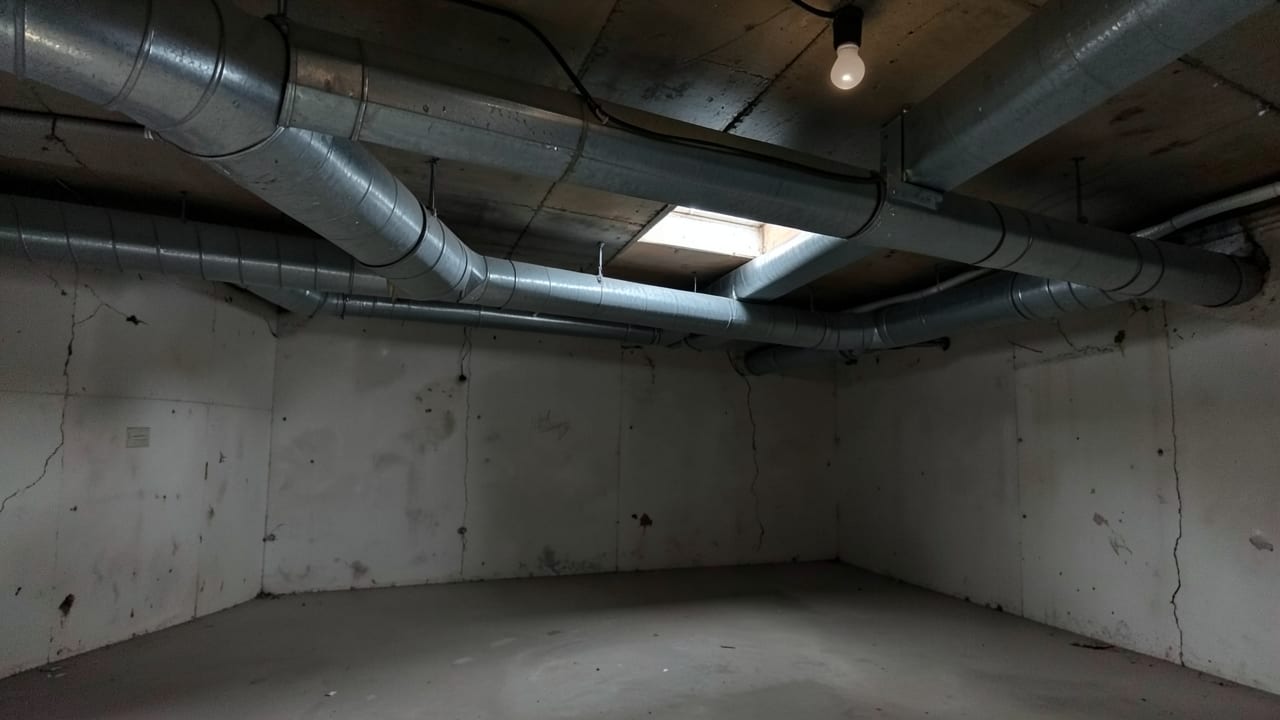
Metal Ductwork Mold Remediation in Chatham, MA
Professional removal of mold from metal ductwork to restore indoor air quality.
Learn More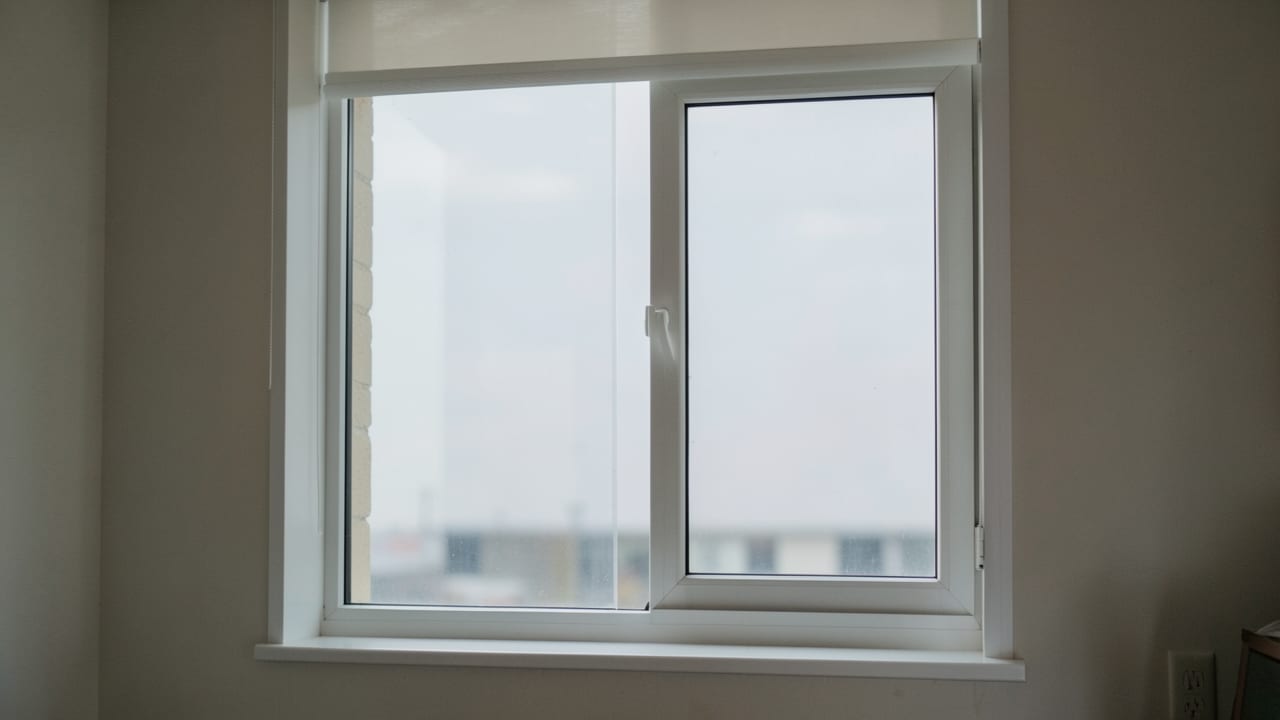
Glass Window Mold Removal in Chatham, MA
Professional removal of mold from glass windows and frames to restore clarity and prevent spread.
Learn More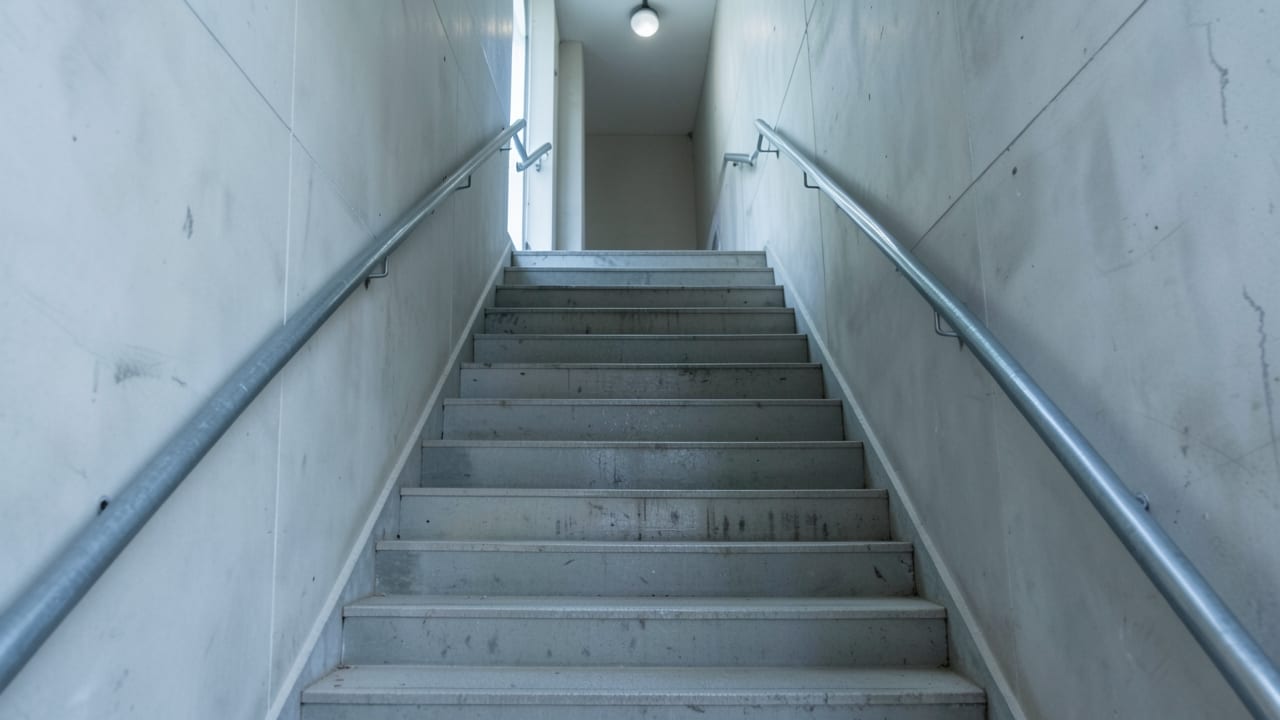
Stairwell Mold Remediation in Chatham, MA
Professional mold removal and prevention in stairwells to restore safe, clean spaces.
Learn More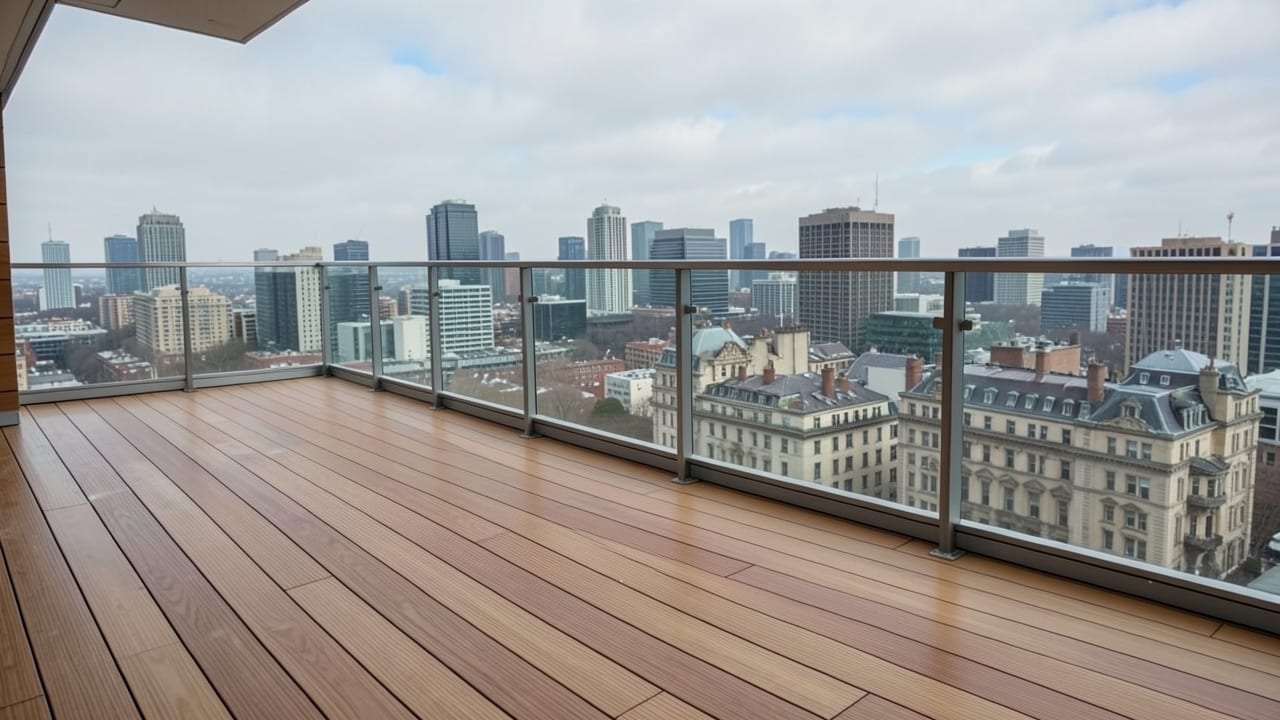
Balcony Mold Cleanup in Chatham, MA
Professional removal and treatment of mold growth on balconies and adjacent structures.
Learn More
Sunroom Mold Remediation in Chatham, MA
Professional removal and treatment of mold in sunrooms to restore a safe, clean space.
Learn More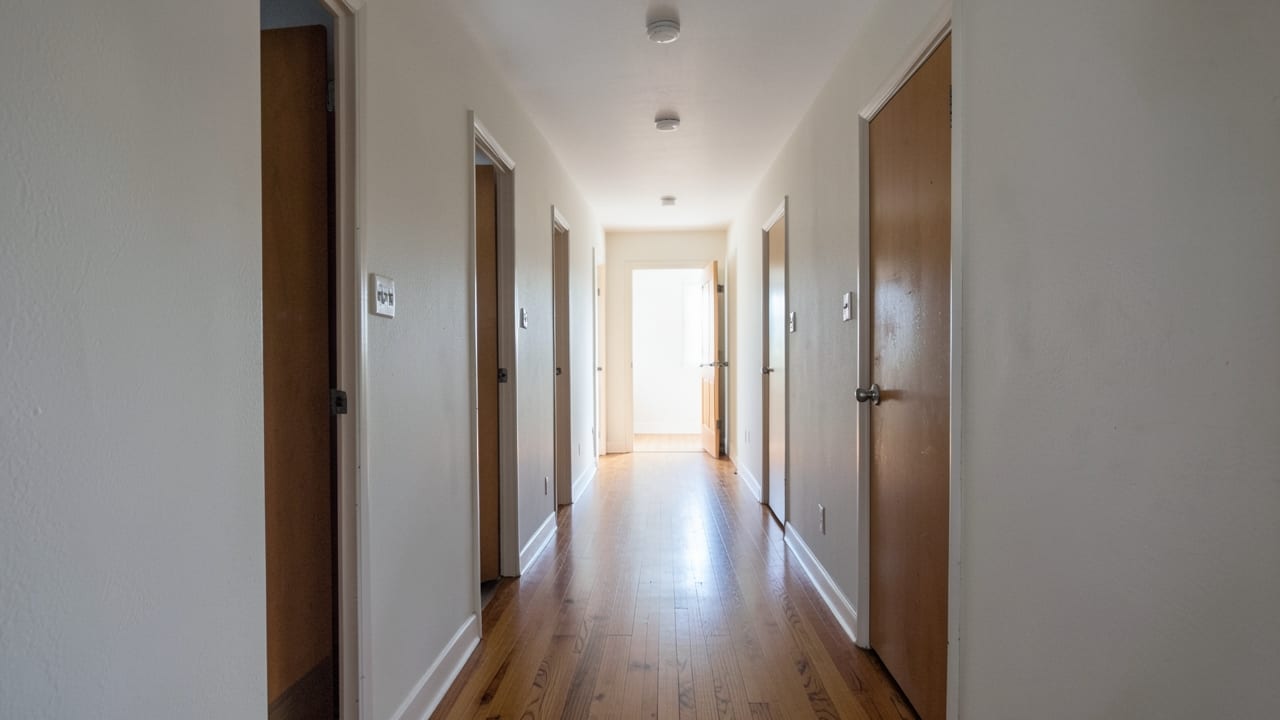
Hallway Mold Remediation in Chatham, MA
Professional removal and treatment of mold growth in residential hallways.
Learn MoreCommon Questions About Mold Remediation in Chatham
Everything you need to know about mold remediation services in Chatham
How much does Pantry Mold Treatment typically cost in Chatham, MA?
Why does Chatham, MA's humidity make mold a bigger risk than in drier regions?
Can small mold problems be handled without hiring anyone?
What's the actual difference between mold removal and mold remediation?
Is a final clearance test part of a typical mold remediation job?
How does mold remediation actually prevent the problem from coming back?
Need Mold Remediation in Chatham?
Connect with local providers in Chatham for a detailed quote.
⏰ We answer your call • Serving all of Chatham and surrounding areas