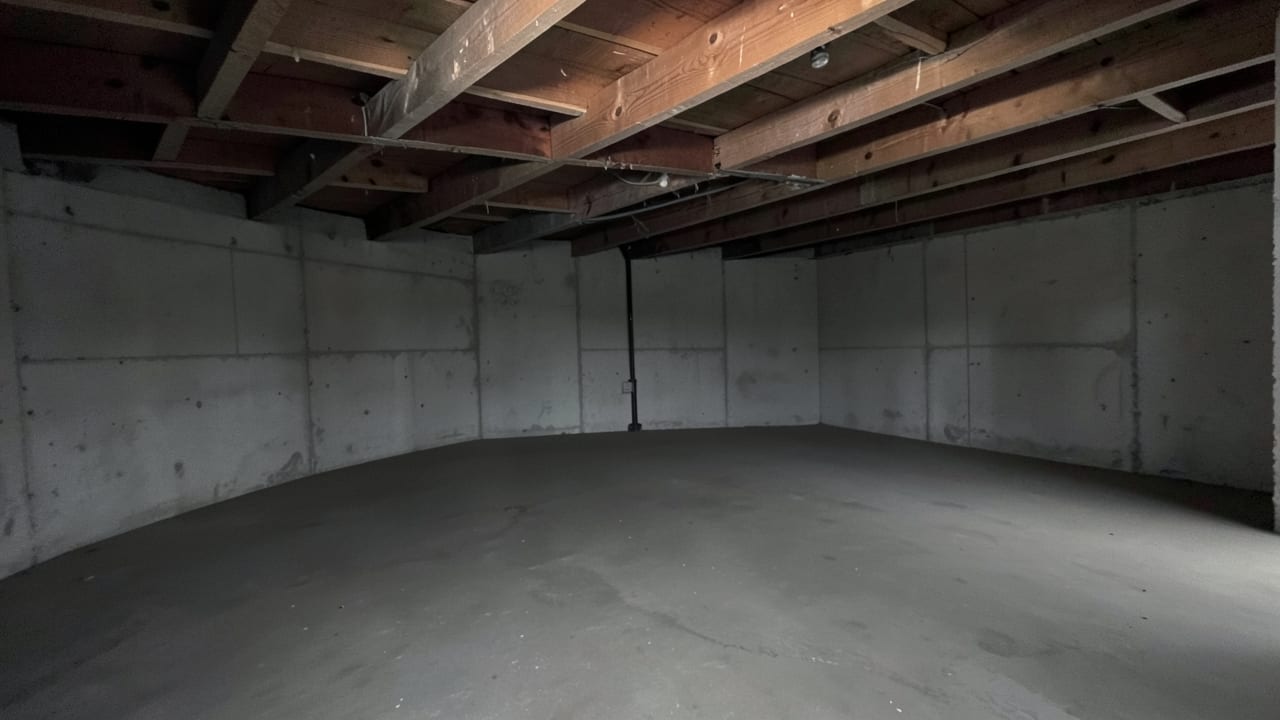
Sewer Backup Mold Cleanup
Professional cleanup of mold caused by sewer backups in homes.
Sewer backup mold cleanup in Chatham, MA, addresses dangerous mold growth caused by wastewater leaks in basements, walls, and flooring. This service removes contaminated materials, sanitizes affected areas, and restores a safe living environment using containment, HEPA filtration, and moisture control to prevent regrowth.
When sewer backup mold cleanup is needed
Mold from sewer backups often spreads quickly, especially in damp areas like basements. Visible signs include discolored patches larger than a few square feet, persistent musty odors, or mold returning after cleaning.
We also handle Mold & Asbestos Testing and HVAC Mold Remediation for Chatham properties.
If mold covers more than 25 square feet or keeps reappearing, it’s past DIY cleanup and requires professional remediation.
Hidden growth—behind walls, under flooring, or inside HVAC ducts—can worsen without proper inspection. A strong musty smell that worsens when the heating or cooling system runs is a key indicator of duct contamination.
Addressing the moisture source (like leaks or poor drainage) is just as critical as removing the mold itself.
Signs You Need Professional Sewer Backup Mold Cleanup
- Mold covers more than 25 contiguous square feet (a common threshold for professional work).
- Musty odors persist even after cleaning visible mold, or the smell worsens when HVAC runs.
- Mold reappears in the same spot within weeks of cleaning, signaling an unresolved moisture issue.
- Visible growth is black or dark green, often a sign of toxic *Stachybotrys* (black mold).
- You suspect hidden mold behind walls, under flooring, or in ductwork.
What affects cost and timeline?
The size of the contaminated area is the biggest factor in pricing, with typical sewer backup mold cleanup in Chatham ranging between $12 and $30 per square foot. Black mold cases may add 15–25% to this range due to stricter containment and disposal requirements.
Hidden mold behind walls or under flooring can increase labor time and costs.
Clearance testing, containment setup, and structural drying all add to the total. Jobs that require removing framing or subflooring (due to deep moisture damage) take longer and cost more than surface-level remediation. Independent lab testing for confirmation is often priced separately but helps ensure the work is thorough.
What to expect during the process
Professional sewer backup mold cleanup follows strict containment protocols to prevent spores from spreading. Plastic sheeting and negative-air machines isolate the work area, while HEPA-filtered equipment captures spores during removal. Porous materials (like drywall or carpet padding) are discarded, while non-porous surfaces (tile, metal) are cleaned and treated.
After removal, industrial dehumidifiers and air movers dry structural materials to prevent regrowth. A third-party clearance test confirms spore levels are back to normal before containment is removed. Fixing the moisture source (leaks, poor drainage, or humidity issues) is critical—without it, mold often returns.
Skipping containment or using non-HEPA equipment spreads spores instead of capturing them. Paying upfront without a written scope leaves room for unexpected costs. Always verify the contractor is registered as a Massachusetts Home Improvement Contractor (HIC) for work over $1,000.
How sewer backup mold cleanup works
This process isolates contamination, removes mold, and restores affected areas safely.
- 1Containment Setup
Plastic sheeting and negative-air machines seal off the work area to prevent spores from spreading. This step is critical—even a small tear in the barrier can turn a contained job into a larger one.
- 2Mold Removal
Porous materials (drywall, insulation, carpet padding) that absorb mold are cut out and bagged inside containment. Non-porous surfaces (tile, metal framing) are scrubbed with antimicrobial treatments instead of discarded.
- 3HEPA Filtration and Structural Drying
HEPA air scrubbers run continuously during removal, and surfaces are vacuumed with HEPA-filtered tools. Industrial dehumidifiers and air movers dry framing and subfloors to moisture-safe levels before the area is closed up.
- 4Clearance Testing
An independent lab tests air or surfaces for remaining spores. Results confirm the space is safe before containment is removed—this step ensures the work was thorough and the mold is gone.
- 5Moisture Source Fix
The root cause (leaks, poor drainage, or humidity) is addressed to prevent regrowth. Without fixing this, mold often returns within months, even after professional cleanup.
Frequently asked questions
How do I know if my mold is from a sewer backup?
Sewer backup mold often appears in basements, near floor drains, or along walls where water pools. It’s usually black or dark green and smells strongly musty. If you’ve had a sewer backup recently, that’s a strong clue—even if the water dried quickly, mold can start within 24–48 hours.
Can I clean sewer backup mold myself?
Small patches (under 10 sq. ft.) in dry areas can be cleaned with bleach or vinegar, but sewer backup mold is often toxic and spreads easily. If the area is damp, covers more than 25 sq. ft., or keeps returning, professional cleanup is safer and more effective.
Why does the quote include clearance testing?
Clearance testing confirms the mold is gone after remediation. Without it, you might not know if spores remain hidden. Some contractors skip this step to save money, but it’s the only way to verify the work was complete.
How long until my home is safe to use after cleanup?
Containment stays up until clearance testing is done, which can take 1–3 days depending on the job size. Once testing confirms the area is safe, you can re-enter, but monitor humidity in the space for the first year to catch early regrowth.
Where Chatham sits, and what the Census lists nearby
Chatham sits in Massachusetts, and the closest places listed in the U.S. Census Gazetteer are West Chatham (1.6 miles west), East Harwich (4.3 miles northwest), Harwich Port (5.3 miles west), Harwich Center (5.5 miles west).
Within 25 miles of Chatham the same source lists 18 distinct incorporated places and census-designated places.
Those figures matter for sewer backup mold cleanup because they are straight-line distances between Census coordinate points: road mileage between Chatham and West Chatham runs longer than the 1.6 miles shown, which is why quotes for the same job differ between towns that look close together on a map.
Source: U.S. Census Bureau Gazetteer.
See South Harwich, MA for more, or take a look at what's included in our Chatham service in detail for our complete lineup.
Ready to get started?
Talk to a local mold remediation pro in Chatham — get a written quote.
Other Mold Remediation Services in Chatham
Mold & Asbestos Testing in Chatham, MA
Combined mold and asbestos testing in Chatham, MA — one inspection visit, lab-verified results for both.
Learn More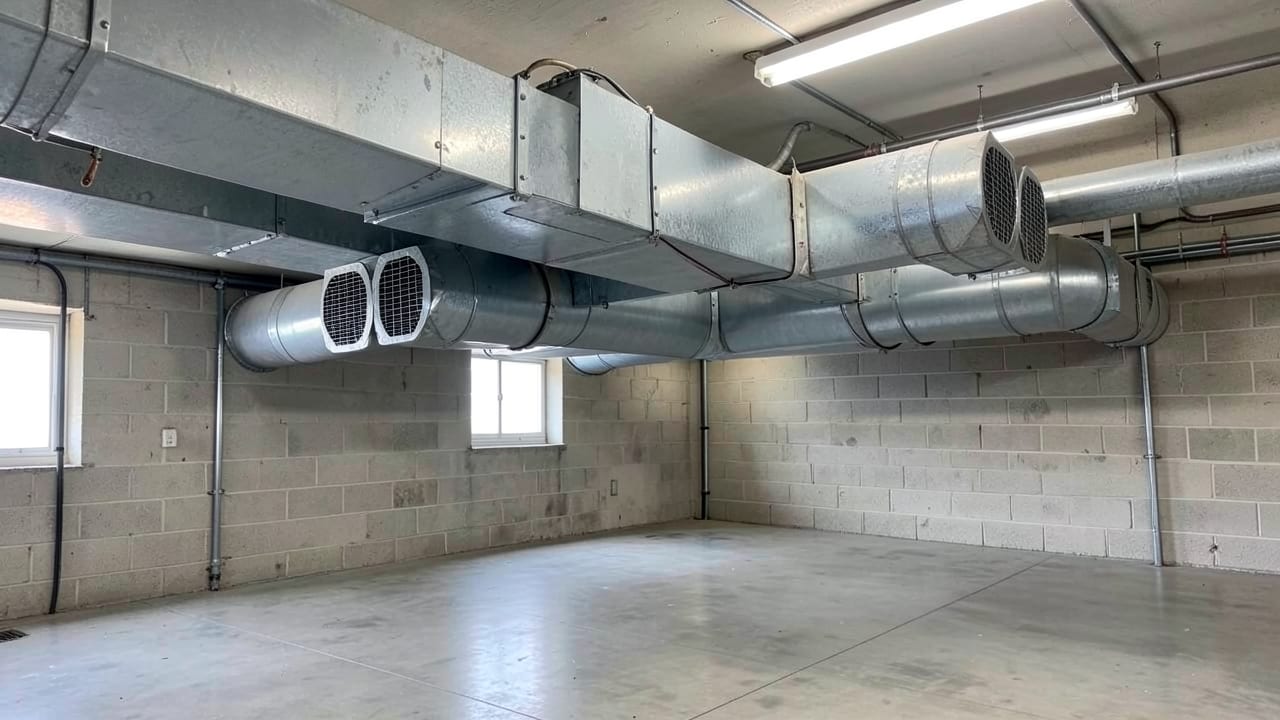
HVAC Mold Remediation in Chatham, MA
HVAC and ductwork mold remediation in Chatham, MA — mold growing inside the air handler or duct system, spreading through every vent.
Learn More
Drywall Mold Remediation in Chatham, MA
Professional removal and treatment of mold growth behind or on drywall surfaces.
Learn More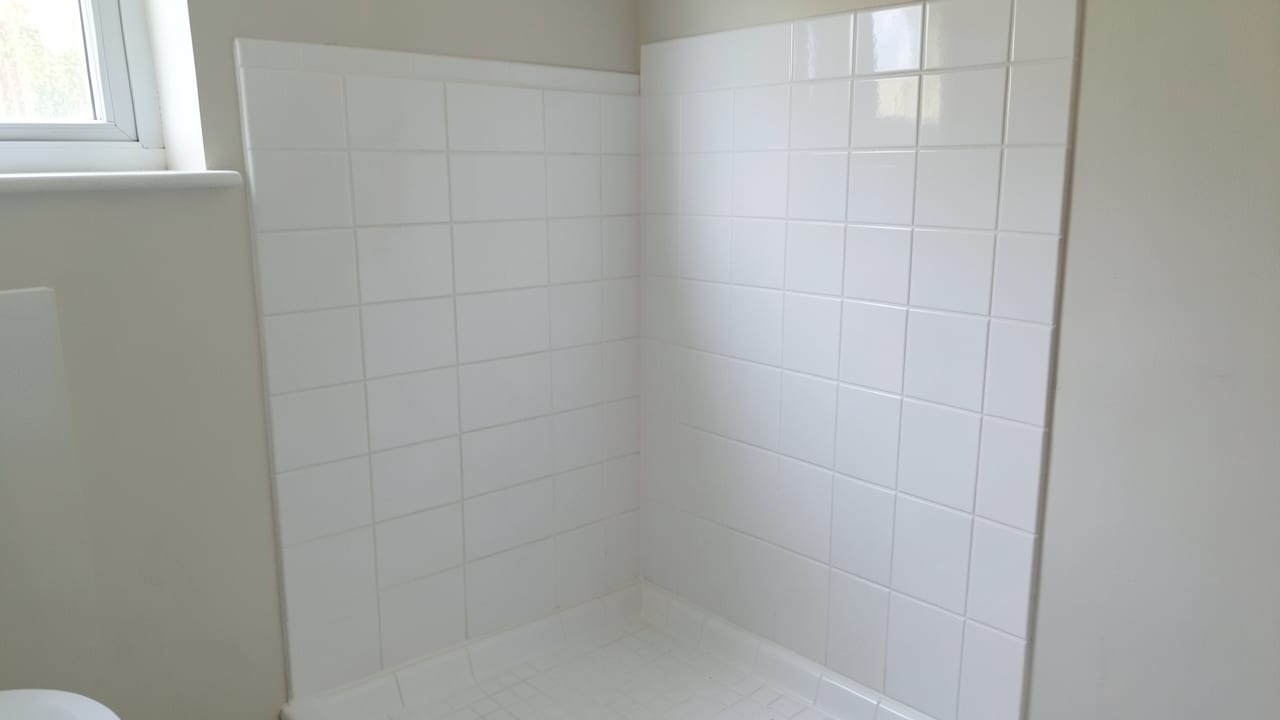
Bathroom Mold Removal in Chatham, MA
Professional assessment and removal of mold in bathrooms to restore a safe, clean environment.
Learn More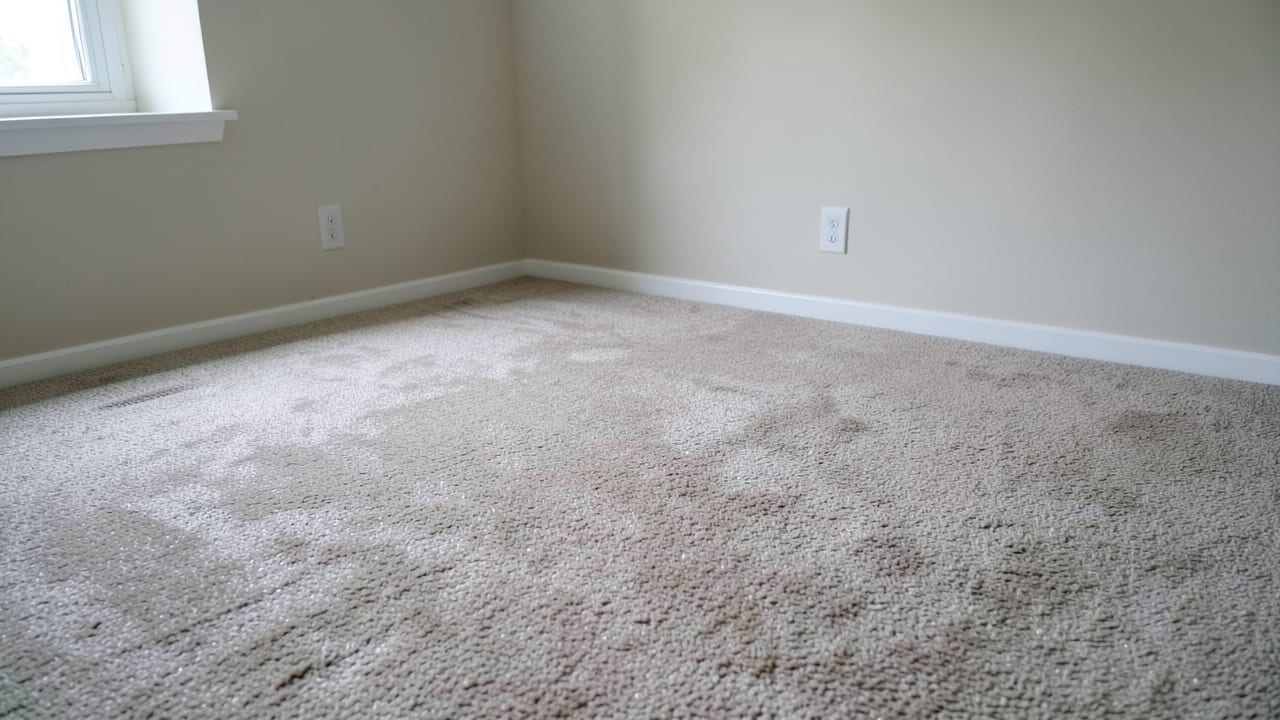
Carpet Mold Treatment in Chatham, MA
Professional assessment and removal of mold growth from carpets to restore a safe indoor environment.
Learn More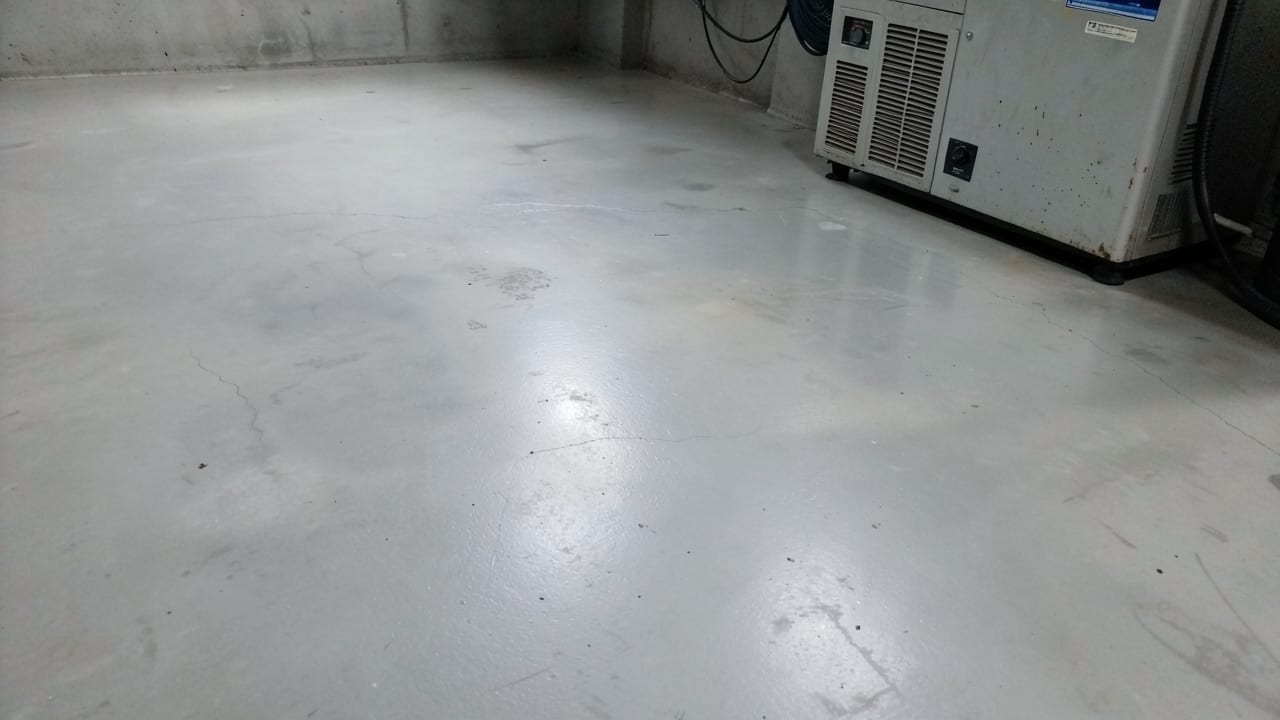
Concrete Mold Remediation in Chatham, MA
Professional removal and treatment of mold from concrete surfaces in homes.
Learn MoreCommon Questions About Mold Remediation in Chatham
Everything you need to know about mold remediation services in Chatham
How much does Sewer Backup Mold Cleanup typically cost in Chatham, MA?
Why does Chatham, MA's humidity make mold a bigger risk than in drier regions?
What's the actual difference between mold removal and mold remediation?
Is a final clearance test part of a typical mold remediation job?
How does mold remediation actually prevent the problem from coming back?
Can mold growing inside HVAC ductwork spread to the rest of a home?
Need Mold Remediation in Chatham?
Connect with local providers in Chatham for a detailed quote.
⏰ We answer your call • Serving all of Chatham and surrounding areas