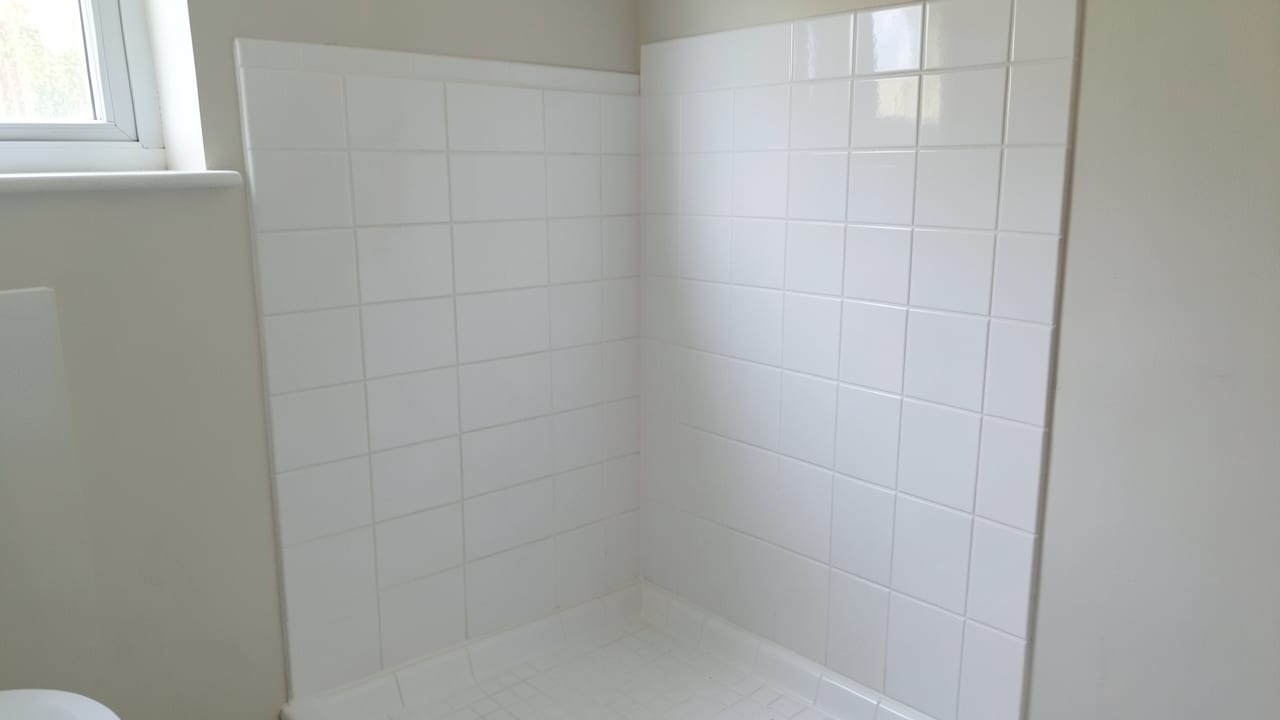
Bathroom Mold Removal
Professional assessment and removal of mold in bathrooms to restore a safe, clean environment.
Bathroom mold removal in Chatham, MA addresses hidden and visible mold growth in showers, sinks, walls, and behind tiles—areas where moisture traps spores and creates health risks. Proper remediation prevents regrowth by removing contaminated materials, sealing work zones, and fixing moisture sources that fuel recurrence.
When to call for mold removal
Mold in bathrooms often starts small but spreads quickly behind surfaces where moisture lingers. A single patch larger than a few square feet, recurring growth after cleaning, or a musty smell with no visible mold are clear signs the problem is beyond surface treatments.
We also handle Hallway Mold Remediation and Restaurant Mold Remediation for Chatham properties.
In Chatham’s humid climate, hidden mold in walls or under flooring—especially in windowless bathrooms—can worsen without professional intervention.
Signs You Need Professional Mold Removal
- Mold covers more than a small, isolated patch (typically over 25 square feet).
- Growth returns within weeks after cleaning, even with repeated attempts.
- A musty odor persists with no visible mold—often a sign of hidden colonies.
- The smell worsens when the HVAC system runs, suggesting spores are in ductwork.
- You notice black or dark green spots on grout, caulk, or porous materials like drywall.
What affects cost and timeline
Remediation costs depend on the size of the affected area, the severity of contamination, and whether hidden mold requires demolition of walls or flooring. In Chatham, a single bathroom typically ranges from $600 to $2,400 for surface-level mold, but black mold or extensive hidden growth can push costs higher.
Clearance testing and fixing moisture sources—like leaks or poor ventilation—are often billed separately.
Why containment and testing matter
Skipping containment or clearance testing turns a contained job into a larger problem. Plastic sheeting and negative-air machines keep spores from spreading during removal, while HEPA filtration ensures they’re captured—not recirculated. Without independent post-remediation testing, there’s no way to confirm the work actually resolved the contamination.
In Massachusetts, mold remediation falls under Home Improvement Contractor (HIC) registration, but this doesn’t guarantee specialized training—always verify the crew’s approach.
Avoid bids that exclude containment, clearance testing, or a written scope of work. Pressure to sign during the inspection or upfront full payment are also warning signs. Always ask: *Is the moisture source being fixed?* Without this, regrowth is likely.
How bathroom mold removal works
- 1Containment Setup
Plastic sheeting seals off the bathroom, and negative-air machines create a vacuum to trap spores inside the work zone. This prevents cross-contamination into other parts of the home.
- 2Removal of Contaminated Materials
Porous materials like drywall or insulation—where mold grows deep—are cut out and bagged. Non-porous surfaces (tile, framing) are scrubbed and treated to kill remaining spores.
- 3HEPA Filtration and Drying
HEPA air scrubbers run continuously, and surfaces are vacuumed with HEPA-equipped tools to capture spores. Industrial dehumidifiers dry framing and subfloors to prevent future growth.
- 4Clearance Testing
An independent lab tests air or surfaces post-remediation to confirm spore counts are back to normal levels before containment is removed.
Frequently asked questions
Can I clean bathroom mold myself, or do I need a professional?
Small patches (under 25 square feet) can be cleaned with bleach or vinegar, but hidden mold or recurring growth requires professional remediation. DIY methods often miss spores behind surfaces, leading to regrowth.
How long does the remediation process take?
A single bathroom typically takes 1–3 days, depending on the extent of contamination and whether walls or flooring need replacement. Clearance testing adds another 24–48 hours.
Will my insurance cover mold removal?
Some policies cover mold damage if it stems from a covered event (e.g., a burst pipe), but exclusions vary. Check your policy or consult your agent—documenting the moisture source (like a leak) strengthens a claim.
How can I prevent mold from coming back?
Fix the moisture source (leaks, poor ventilation) and use a dehumidifier or exhaust fan in damp areas. Monitor humidity—keep it below 50%—and ensure good airflow, especially in windowless bathrooms.
Where Chatham sits, and what the Census lists nearby
Chatham sits in Massachusetts, and the closest places listed in the U.S. Census Gazetteer are West Chatham (1.6 miles west), East Harwich (4.3 miles northwest), Harwich Port (5.3 miles west), Harwich Center (5.5 miles west).
Within 25 miles of Chatham the same source lists 18 distinct incorporated places and census-designated places.
Those figures matter for bathroom mold removal because they are straight-line distances between Census coordinate points: road mileage between Chatham and West Chatham runs longer than the 1.6 miles shown, which is why quotes for the same job differ between towns that look close together on a map.
Source: U.S. Census Bureau Gazetteer.
See Wellfleet, MA for more, or discover our complete Chatham service list in one place for our complete lineup.
Ready to get started?
Talk to a local mold remediation pro in Chatham — get a written quote.
Other Mold Remediation Services in Chatham
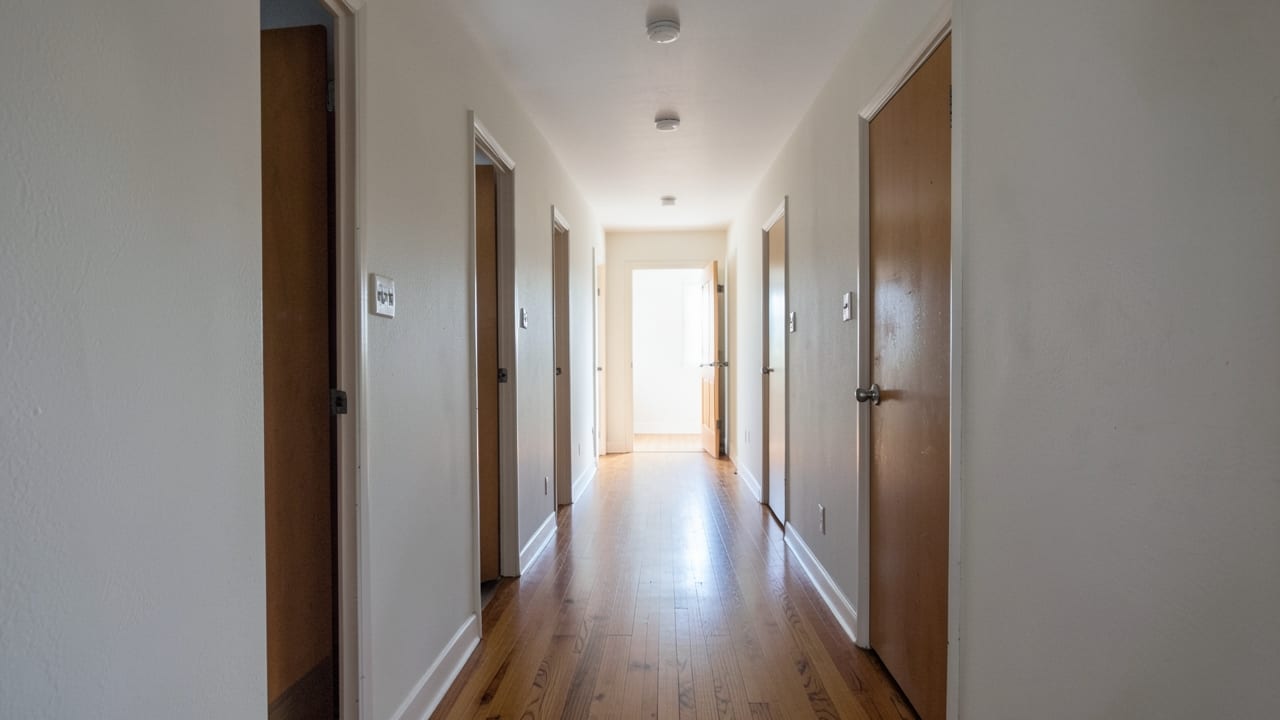
Hallway Mold Remediation in Chatham, MA
Professional removal and treatment of mold growth in residential hallways.
Learn More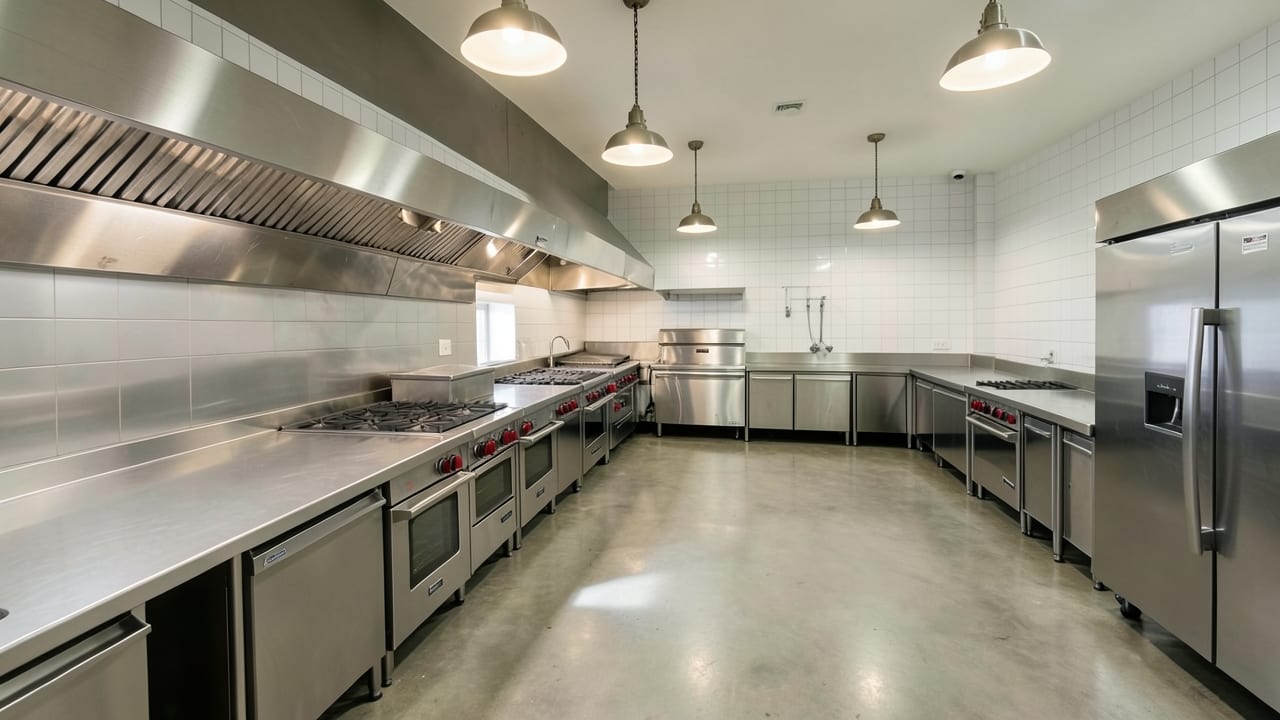
Restaurant Mold Remediation in Chatham, MA
Professional mold removal and remediation for restaurant spaces to ensure safety and compliance.
Learn More
Retail Store Mold Remediation in Chatham, MA
Professional mold removal and remediation for retail stores to restore safe, clean environments.
Learn More
Hotel Mold Remediation in Chatham, MA
Professional removal and treatment of mold growth in hotel properties to restore safe, clean environments.
Learn More
Gym Mold Remediation in Chatham, MA
Professional removal and treatment of mold in gyms to restore safe, clean environments.
Learn More
Salt Air Mold Remediation in Chatham, MA
Professional mold assessment, containment, removal, and prevention in affected areas of the home.
Learn MoreCommon Questions About Mold Remediation in Chatham
Everything you need to know about mold remediation services in Chatham
How much does Bathroom Mold Removal typically cost in Chatham, MA?
Why does Chatham, MA's humidity make mold a bigger risk than in drier regions?
Is a final clearance test part of a typical mold remediation job?
How does mold remediation actually prevent the problem from coming back?
Can mold growing inside HVAC ductwork spread to the rest of a home?
Does mold mean the same thing as mildew?
Need Mold Remediation in Chatham?
Connect with local providers in Chatham for a detailed quote.
⏰ We answer your call • Serving all of Chatham and surrounding areas