How to Keep Your Home Mold-Free After Remediation in Chatham
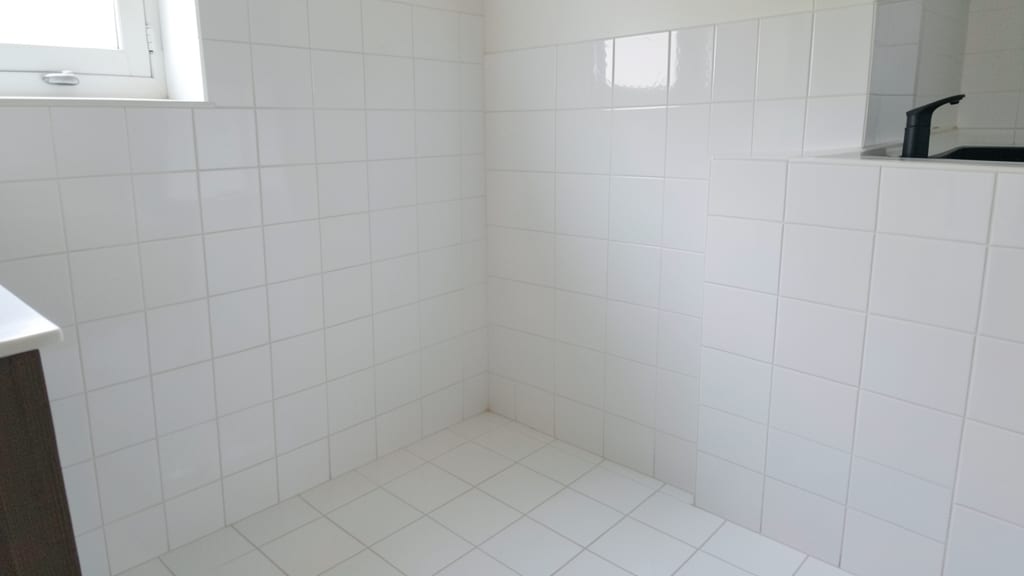
Mold remediation is only half the battle. Without the right follow-up, spores can return—especially in Cape Cod’s humid, coastal climate. We’ll show you how to lock out moisture, monitor trouble spots, and maintain a mold-free home for the long haul.
Why Mold Returns After Remediation
Mold spores are everywhere—even in clean air. They only need moisture, organic material, and 24–48 hours to start growing again.
In Chatham, salt air and seasonal storms create perfect conditions. Poor ventilation, hidden leaks, or lingering humidity can undo remediation work fast.
Critical First Steps Post-Remediation
Run air scrubbers for 24–48 hours after remediation to capture residual spores. Our team uses HEPA filtration to ensure indoor air is cleaner than outdoors.
Inspect the remediated area with a moisture meter. Any reading above 15% in wood or 20% in drywall signals a problem.
Always demand a post-remediation verification (PRV) test. It confirms mold levels are safe and the job is truly done. We perform these for every project.
Moisture Control: The Foundation of Prevention
Humidity above 50% fuels mold growth. In Chatham’s summers, indoor levels can spike without dehumidifiers—especially in basements and crawl spaces.
Use a hygrometer to track levels. Aim for 30–50% year-round. In coastal areas like West Chatham or Harwich Port, whole-house dehumidifiers often outperform portable units.
Target High-Risk Zones in Cape Cod Homes
Basements and crawl spaces are ground zero. Poor drainage or vapor barriers can trap moisture. In neighborhoods like Dennis Port or South Yarmouth, high water tables make encapsulation essential.
Attics need ventilation. Blocked soffits or improper insulation create condensation. We see this often in older homes in Orleans and Brewster.
Bathrooms and kitchens require exhaust fans vented outside—not into attics. Check for leaks under sinks and around appliances.
Ventilation and Airflow Strategies
Stagnant air holds moisture. Open windows when outdoor humidity is low, but rely on mechanical ventilation in damp seasons.
For HVAC systems, ensure ducts are clean and dry. Mold in ductwork can spread spores throughout the home. We offer HVAC mold remediation for this exact issue.
Place fans to circulate air in damp areas, but avoid blowing air directly onto wet surfaces—this can spread spores.
Materials and Upgrades to Resist Mold
Replace porous materials like drywall or carpet in wet areas with mold-resistant alternatives. Paperless drywall and closed-cell foam insulation are top choices.
In crawl spaces, a vapor barrier (10–20 mil polyethylene) prevents ground moisture from seeping in. Pair it with a sump pump in flood-prone areas like Eastham or Wellfleet.
| Material | Best For | Mold Resistance |
|---|---|---|
| Paperless drywall | Walls, ceilings | High |
| Closed-cell spray foam | Insulation, sealing gaps | Very High |
| Cement board | Bathrooms, basements | High |
| Vapor barrier (polyethylene) | Crawl spaces | Prevents moisture intrusion |
| Epoxy paint | Basement walls, concrete | Moderate (seals surfaces) |
Regular Inspections and Maintenance
Schedule a professional mold inspection annually, especially before winter. Chatham’s off-season can hide leaks until spring thaws reveal damage.
Check for water stains, musty odors, or peeling paint. These are early signs of moisture issues. Use a flashlight to inspect under sinks, behind toilets, and around windows.
Monthly Mold Prevention Checklist
- Test humidity levels with a hygrometer
- Inspect basements, attics, and crawl spaces for moisture
- Clean and dry shower curtains and bath mats
- Check under sinks and around appliances for leaks
- Empty and clean dehumidifier tanks
- Ensure exhaust fans are vented outside and functional
When to Call a Professional Again
If you see new mold, smell musty odors, or notice water damage, act fast. DIY fixes often miss hidden growth in wall cavities or HVAC systems.
For commercial properties or large residential spaces in Hyannis or Barnstable Town, our team provides scalable solutions, from air quality testing to full remediation.
Mildew is surface-level and easier to clean. Mold penetrates materials and requires professional remediation. When in doubt, test it.
How to Respond to a New Moisture Issue
Catching moisture early prevents mold from taking hold.
- 1Locate the Source
Use a moisture meter to find wet areas. Check pipes, roofs, windows, and foundations for leaks or condensation.
- 2Stop the Water
Turn off water to leaking pipes or cover damaged roof areas with a tarp. For flooding, use a wet/dry vacuum to remove standing water.
- 3Dry the Area
Run dehumidifiers and fans for 24–48 hours. Open windows if outdoor humidity is lower than indoors.
- 4Remove Damaged Materials
Cut out and discard wet drywall, carpet, or insulation. These often can’t be fully salvaged once moldy.
- 5Disinfect and Monitor
Clean non-porous surfaces with a mold-killing solution (like Concrobium). Recheck moisture levels daily until dry.
- 6Call for Backup
If the area is large (over 10 sq. ft.) or mold returns, request a quote from a local remediation expert.
Frequently Asked Questions
How often should I run a dehumidifier in Chatham’s climate?
In summer, run it continuously in basements and crawl spaces. In spring and fall, use it as needed to keep humidity below 50%. Winter may require less, but monitor closely.
Can I paint over mold to hide it?
No. Painting over mold traps spores and allows growth to continue beneath the surface. Always remediate first, then use mold-resistant paint as a preventive measure.
What’s the difference between mold testing and air quality testing?
Mold testing identifies specific mold types and spore counts on surfaces or in the air. Air quality testing is broader, measuring pollutants like VOCs, dust, and allergens. We offer both for comprehensive assessments.
Are crawl space encapsulation and vapor barriers the same thing?
Not exactly. A vapor barrier is a plastic sheet that blocks ground moisture. Encapsulation includes the vapor barrier plus sealing vents, adding insulation, and often installing a dehumidifier for full protection.
Do I need mold remediation if I only see a small patch?
Even small patches can indicate a larger hidden problem. Mold spreads quickly, especially in humid areas like Chatham. A professional inspection can determine the extent and next steps.
How does attic mold remediation differ from basement remediation?
Attics often require addressing ventilation and insulation issues, while basements focus on waterproofing and drainage. Both need moisture control, but the approaches differ based on the space’s unique conditions.